Coffee Liqueur Explained for People Who Don’t Usually Drink Spirits
If you’ve ever said, “I don’t really drink spirits,” this is for you. Coffee liqueur isn’t about shots or strength — it’s about flavour, balance, and familiarity. When designed properly, it feels closer to coffee and chocolate than to hard alcohol, and that’s exactly where KopiO was meant to sit.
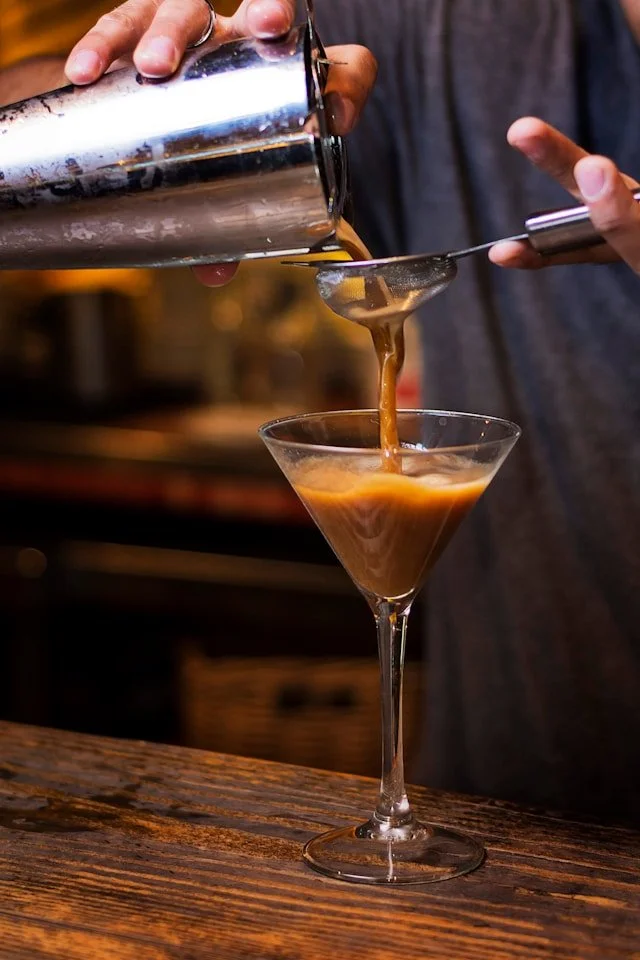
If you don’t normally drink spirits, the idea of coffee liqueur can feel misleading. It often gets grouped with strong after-dinner drinks or overly sweet dessert alcohols. In reality, coffee liqueur sits in a much softer space — closer to coffee, chocolate, and dessert than to straight spirits.
Understanding what coffee liqueur actually is (and what it isn’t) makes it far less intimidating, especially for people who don’t consider themselves drinkers.
What Coffee Liqueur Actually Is
At its core, coffee liqueur is a blend of coffee flavour, sweetness, and alcohol designed to carry aroma and structure rather than heat. The alcohol isn’t there to dominate. It acts as a flavour carrier, helping coffee notes stay present and stable in drinks and desserts.
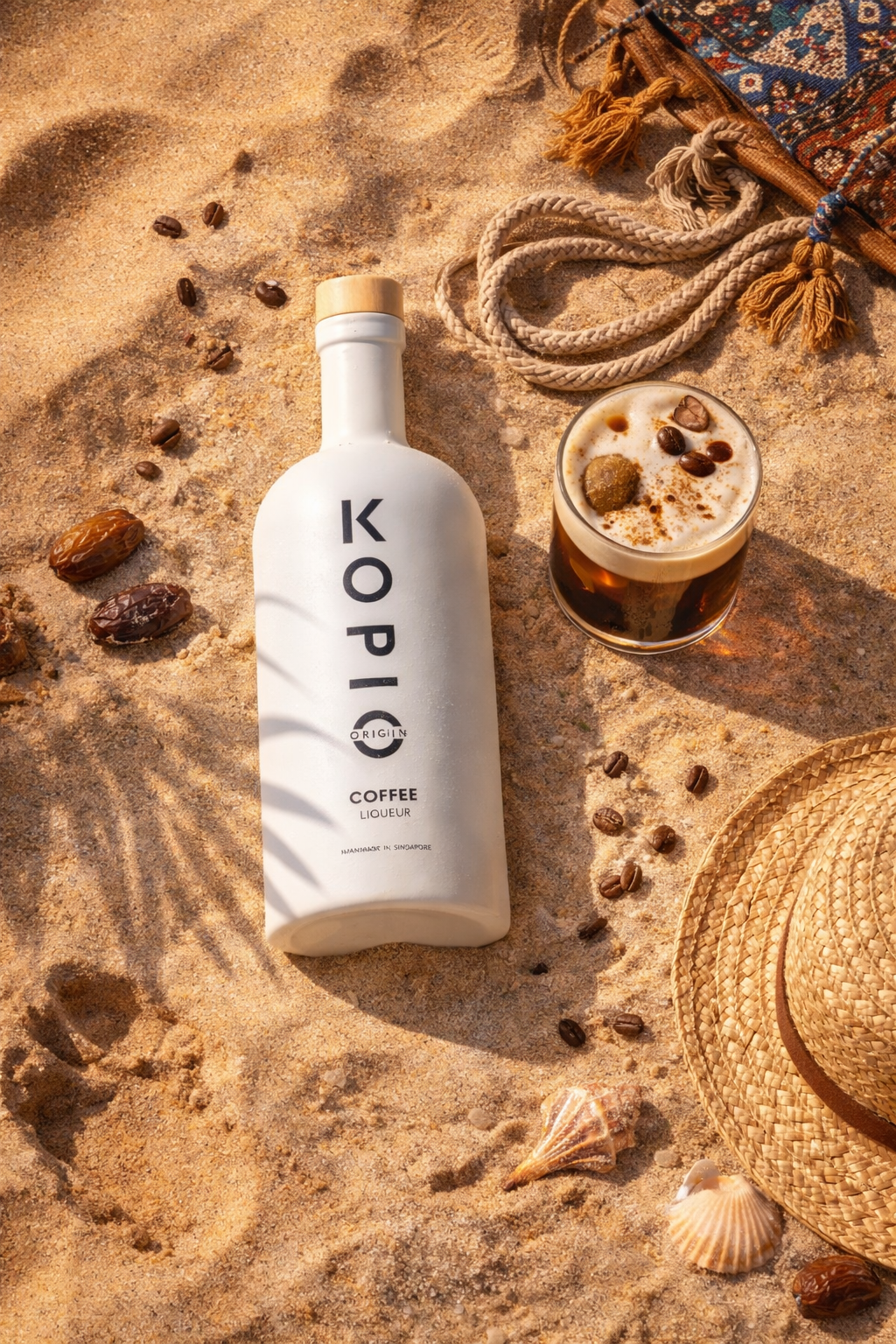
A clear example of this coffee-first approach is KopiO by Studio Origin. Instead of leaning heavily on sugar, KopiO is designed to behave like a concentrated coffee ingredient — balanced, aromatic, and usable.
This design philosophy is part of Studio Origin’s wider approach to crafting spirits that prioritise real-world application over novelty.
Why Coffee Liqueur Feels More Approachable Than Spirits
For people who don’t usually drink spirits, the biggest hurdle is often alcohol burn. Coffee liqueur tends to feel gentler because it typically sits at a lower alcohol level than base spirits, and because coffee and cocoa notes naturally soften sharper edges.
This is why coffee liqueur is so commonly used as an entry point in cocktails. In bars and hotels, it helps bridge the gap between non-drinkers and cocktail drinkers without pushing anyone too far outside their comfort zone.
That usability is exactly what hospitality professionals look for, and it’s reflected in how KopiO is positioned for trade and retail use — as a reliable, balanced ingredient rather than a novelty bottle.
Coffee Liqueur Is Not Just “Sweet Alcohol”
One of the most common misconceptions is that coffee liqueur exists purely to add sweetness. While some products do lean that way, a well-designed coffee liqueur plays a much more structural role.
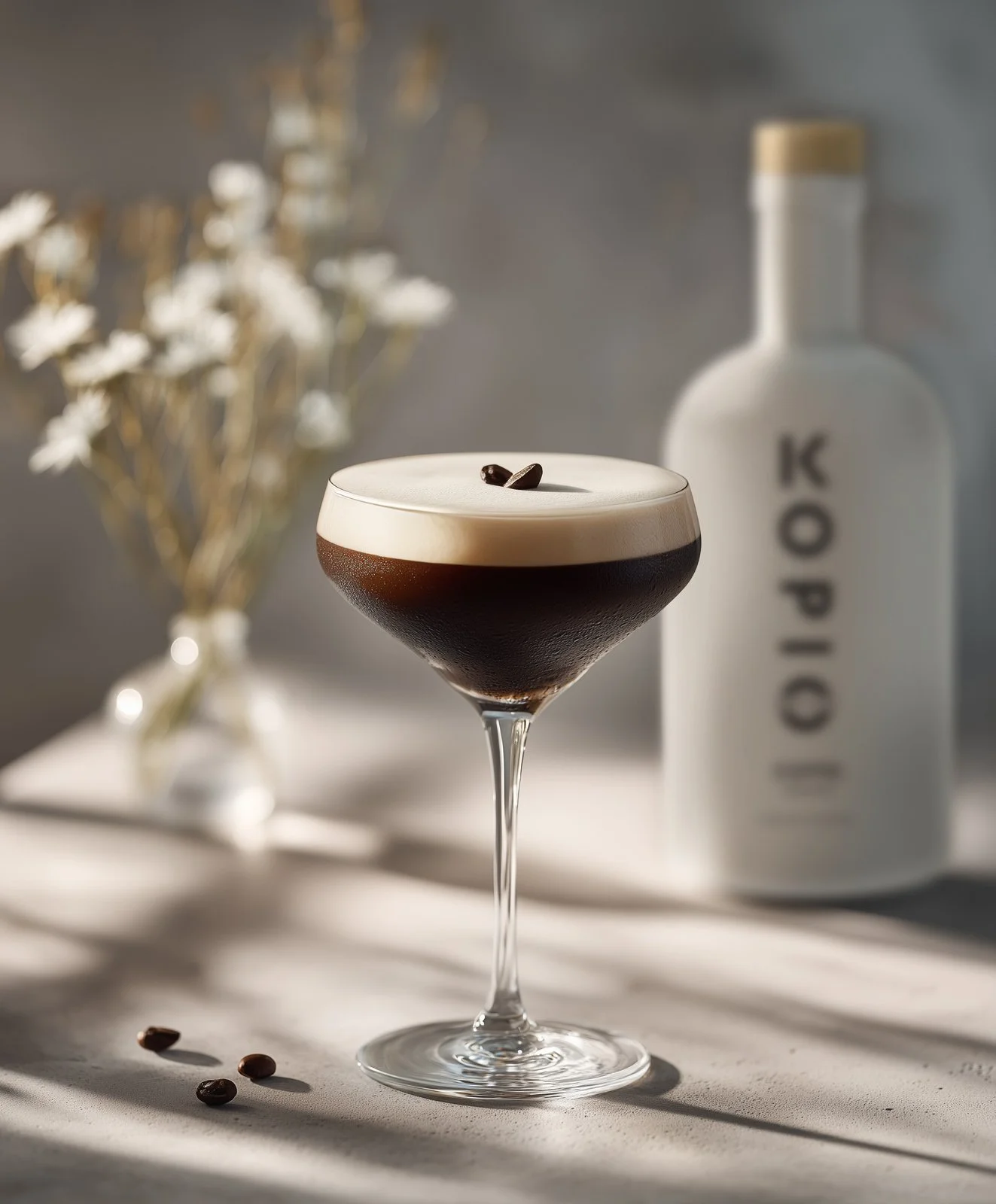
In cocktails, it should reinforce bitterness, support espresso, and add depth without dragging the drink into dessert territory. This becomes especially clear in classics like the Espresso Martini.
Studio Origin explores this idea in The Espresso Martini Done Properly, where the coffee liqueur is treated as part of the drink’s backbone, not just a sweetener.
What Coffee Liqueur Tastes Like If You’re New to Spirits
If you’re approaching coffee liqueur without much experience with alcohol, it helps to set expectations correctly. It doesn’t taste like vodka or whisky. Instead, it’s closer to:
Sweetened cold brew
Dark chocolate with roasted notes
Light caramel and coffee aromatics
Sipped neat or over ice, coffee liqueur often feels closer to a dessert wine than a shot. When mixed, it blends into drinks rather than announcing itself aggressively.
An Easy Starting Point: Creamy, Coffee-Forward Drinks
For people easing into spirits, creamy classics are often the most comfortable place to start. White Russian–style drinks are familiar, soft, and coffee-led, with dairy rounding out any sharp edges.
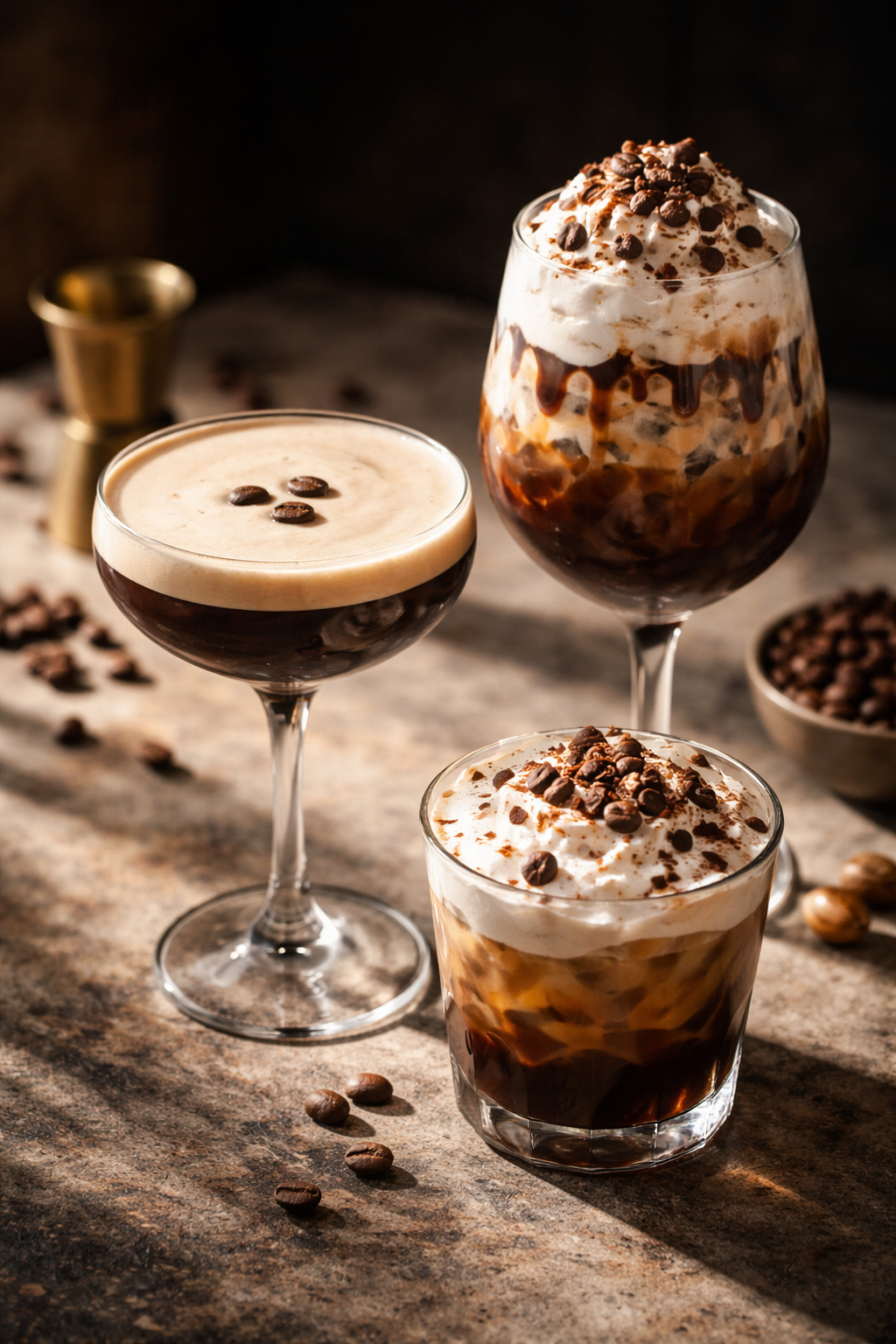
The KopiO White Russian is a good reference point. Even with cream involved, the coffee character remains clear, preventing the drink from becoming flat or overly sweet. For many non-drinkers, it feels closer to an adult iced coffee than a traditional cocktail.
Coffee Liqueur Beyond Cocktails
Coffee liqueur also appeals to non-drinkers because it extends naturally into desserts. Used properly, it enhances chocolate, lifts dairy richness, and adds aroma without making dishes taste alcoholic.
The KopiO chocolate mousse shows how coffee liqueur can function as a flavour amplifier rather than a dominant note, making desserts feel more refined instead of heavier.
Why Balance Matters More Than Strength
If you don’t drink spirits regularly, the real question is rarely “How strong is this?” It’s “How does this feel?”
Balanced coffee liqueurs don’t linger unpleasantly, don’t spike sweetness suddenly, and don’t leave harsh alcohol heat behind. That’s what makes them comfortable to enjoy slowly, casually, and without pressure.
This emphasis on balance runs through Studio Origin’s Stories, where KopiO is consistently shown in real cocktails and desserts rather than abstract tasting notes.
See How Coffee Liqueur Actually Performs in Practice
If you’re curious how this balance plays out in real drinks, it’s easiest to see it in action. In structured cocktails like The Espresso Martini Done Properly – Why the Right Coffee Liqueur Matters, coffee liqueur isn’t treated as a sweetener but as structural support. That clarity becomes even more obvious in softer formats like the KopiO White Russian, where coffee remains present without overwhelming the drink.
Beyond cocktails, coffee liqueur’s role in desserts is explored in KopiO Chocolate Mousse, where it functions as an aromatic enhancer rather than an alcoholic statement. Each of these applications shows how balance — not strength — defines modern coffee liqueur.
Coffee Liqueur as a Gentle Introduction
Trying coffee liqueur doesn’t mean committing to spirits culture. For many people, it’s simply a way to enjoy familiar flavours — coffee, chocolate, cream — in a slightly different form.
You can sip it slowly, mix it lightly, or enjoy it as part of dessert and stop there. There’s no expectation to move on to stronger drinks.
For people who don’t usually drink spirits, coffee liqueur can be a bridge rather than a leap. And when it’s built with restraint and clarity, like KopiO, it feels approachable without feeling ordinary.
More from KopiO by Studio Origin