How Extraction Choices Shape the Final Character of a Coffee Liqueur
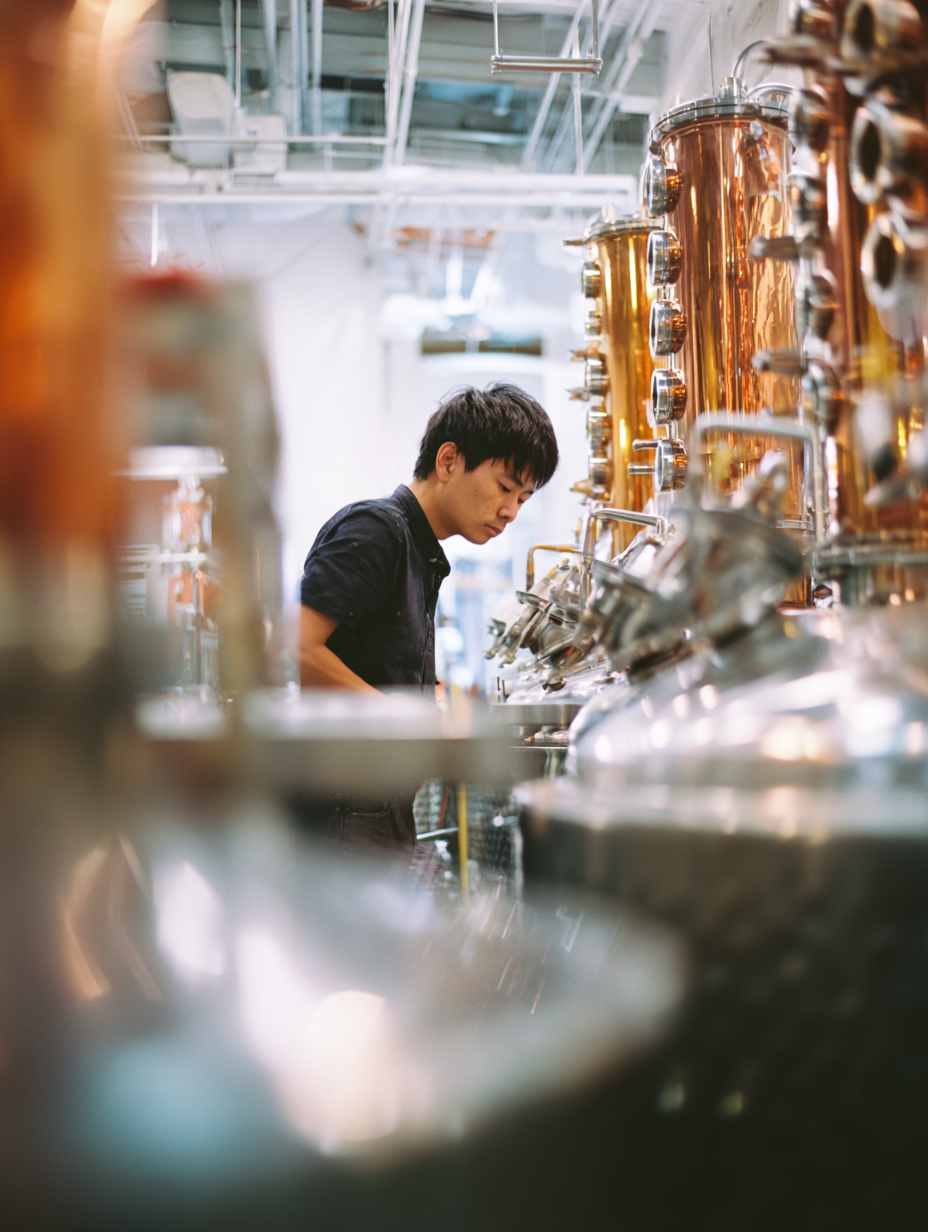
In coffee liqueur, flavour is not defined by branding, bottle design, or even sweetness. It is defined much earlier—at the point of extraction. Extraction determines what the coffee gives up to the alcohol, what it withholds, and how the final liquid behaves in the glass. Long before sugar levels or labels are considered, extraction decisions quietly lock in the liqueur’s personality.
Coffee is structurally complex. Acids, oils, aromatics, and bitter compounds all dissolve at different rates and under different conditions. Alcohol accelerates this process, making extraction both powerful and unforgiving. This is why coffee liqueur quality is less about “strong coffee flavour” and more about control.
KopiO is built around this principle. Developed by Studio Origin, its process treats extraction as a design choice rather than a mechanical step, prioritising balance, clarity, and usability over raw intensity. That philosophy underpins the entire approach taken at Studio Origin.
Extraction Is Where Character Is Chosen
Every coffee liqueur answers a fundamental question during extraction: what kind of coffee do we want this to be? Short, restrained extractions emphasise aroma, roast definition, and gentle bitterness. Longer extractions add weight and depth but can easily tip into harshness if left unchecked.
These decisions are not theoretical. They determine whether a liqueur feels elegant or blunt, versatile or limited. When extraction is treated casually, producers often rely on sugar or viscosity to correct imbalances later. When extraction is treated deliberately, balance emerges naturally.
KopiO’s extraction choices are guided by how the liqueur is meant to be used—not just how it tastes neat. This is why it performs consistently across cocktails, desserts, and after-dinner drinks, a focus reflected throughout the wider KopiO range available via Origin Crafted.
Over-Extraction and the Illusion of Intensity
Over-extraction is one of the most common pitfalls in coffee liqueur making. It often begins with a desire for boldness, but alcohol continues extracting long after the most desirable coffee compounds are captured. What follows are excessive bitterness, drying tannins, and muddled flavour.
In the glass, over-extracted liqueurs smell powerful but drink heavy. Sweetness is frequently added to mask sharp edges, resulting in a syrupy profile that limits flexibility behind the bar. These liqueurs may dominate a drink rather than integrate into it.
This becomes especially clear in precision cocktails such as the Espresso Martini, where coffee liqueur should support fresh espresso rather than compete with it. The difference between controlled extraction and aggressive extraction is explored in depth in this look at why the right coffee liqueur matters for the Espresso Martini.
Under-Extraction and the Problem of Disappearing Coffee
Under-extraction presents a quieter problem. When coffee is extracted too lightly, aroma may be pleasant, but flavour lacks persistence. In isolation, the liqueur can seem clean and approachable. In cocktails, it vanishes.
This is especially problematic in mixed drinks where dairy, base spirits, or dilution are involved. A coffee liqueur that cannot hold its structure under pressure forces bartenders to compensate elsewhere, undermining consistency.
Balanced extraction avoids both extremes. It allows coffee flavour to remain present without becoming dominant, supporting a wide range of applications without adjustment.
Mouthfeel Is an Extraction Outcome
Extraction does more than define flavour—it shapes texture. Coffee oils and soluble solids influence how a liqueur feels on the palate. Over-extraction often leads to a thick, clinging mouthfeel, while under-extraction can feel thin or hollow.
Well-managed extraction produces a texture that is supportive rather than distracting. The liqueur feels present, but clears cleanly, allowing other ingredients to shine. This quality is crucial in cream-based classics, where weight and sweetness must be carefully balanced.
KopiO’s extraction approach results in a coffee liqueur that integrates smoothly with dairy and base spirits, which is why it performs so cleanly in drinks like the White Russian. Its behaviour in that context is explored further in the KopiO-focused take on the White Russian.
Why Professionals Look at Extraction First
For bars and hotels, extraction consistency is not an abstract concern. Variations in bitterness, body, or flavour intensity force recipe adjustments and slow service. A coffee liqueur that behaves differently from batch to batch creates friction behind the bar.
Process-led extraction eliminates this uncertainty. When a liqueur performs the same way every time, it earns trust. This reliability is one of the reasons KopiO is positioned for professional environments, where repeatability matters as much as taste. Its role within trade and hospitality settings is outlined through Origin Crafted’s trade and retail focus.
From Extraction to Real-World Use
The true test of extraction choices is versatility. A well-extracted coffee liqueur should transition effortlessly from cocktails to desserts without overwhelming either format. Coffee flavour should remain clear, sweetness controlled, and texture appropriate.
This balance is evident when KopiO is used beyond the bar, particularly in dessert applications where over-extraction would quickly become apparent. Its performance in preparations like chocolate mousse highlights how early extraction decisions continue to shape the final experience, as shown in this exploration of KopiO in chocolate mousse.
Choosing Coffee Liqueur With Intention
Extraction is the quiet signal of quality in coffee liqueur. It reveals whether a product was built with care or assembled for effect. When extraction is disciplined, the result is clarity, balance, and trust—qualities that persist long after first impressions fade.
KopiO’s character is not accidental. It is the outcome of deliberate extraction choices made to respect coffee as an ingredient and usability as a priority. For those evaluating coffee liqueurs beyond branding, understanding extraction is where real differentiation begins.