The Difference Between Coffee Liqueur and Coffee-Based Spirits
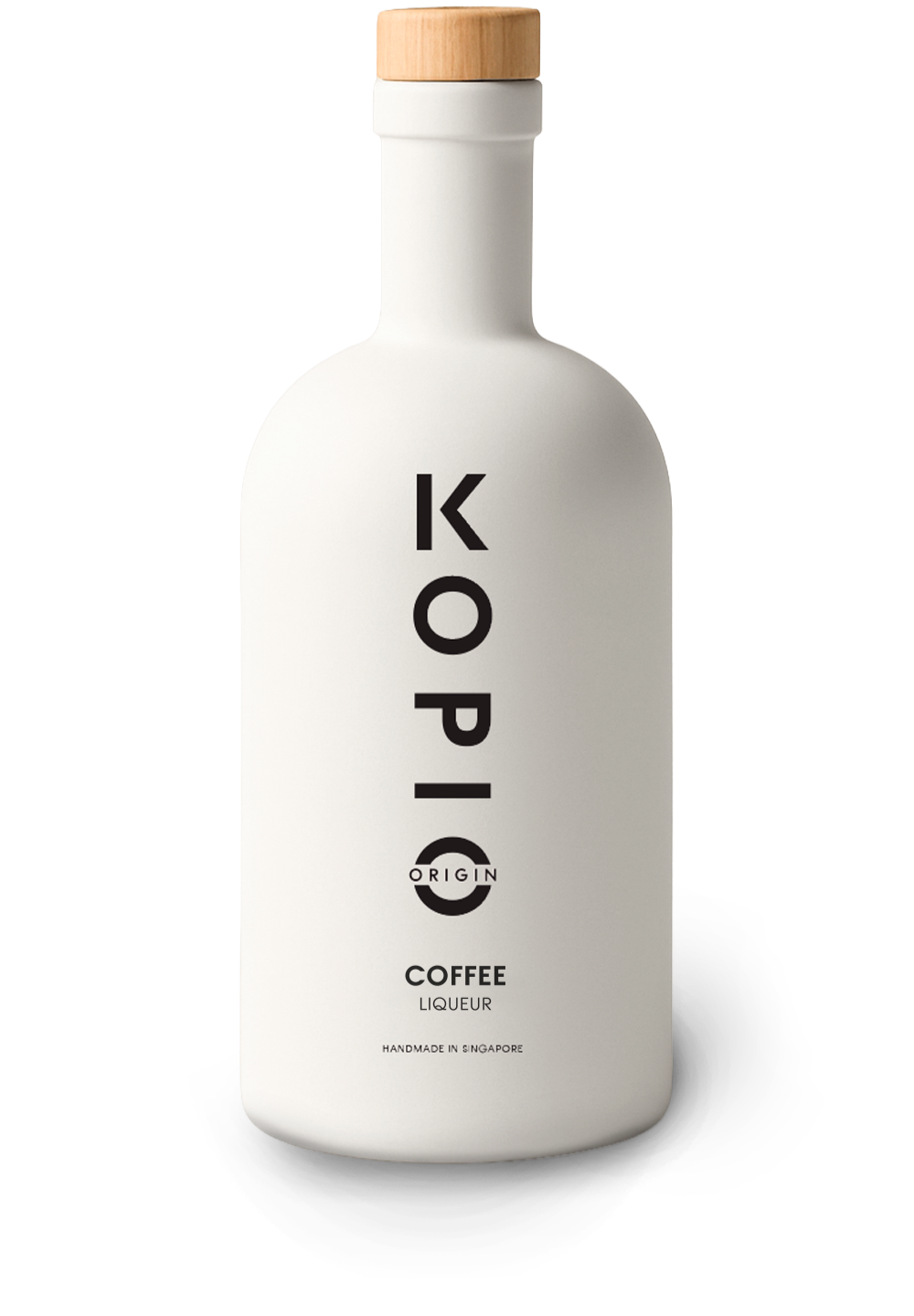
Coffee shows up in the spirits world in more than one way, and that’s where confusion usually begins. You’ll hear terms like coffee liqueur and coffee-based spirits used interchangeably, even though they describe very different products with very different purposes.
If you’ve ever wondered why some coffee drinks taste smooth and dessert-like while others feel sharper and more spirit-forward, the difference usually comes down to which side of that line you’re on.
Let’s break it down cleanly and practically.
What a Coffee Liqueur Actually Is
A coffee liqueur is built with three core elements: coffee flavour, sweetness, and alcohol. The alcohol is typically neutral and acts as a carrier for aroma and structure rather than a feature in itself. Sweetness is intentional and controlled, designed to round the coffee rather than overpower it.
The key idea is balance. A good coffee liqueur should taste like coffee first, not sugar or raw alcohol.
A clear example of this approach is KopiO by Studio Origin, which is designed to behave like a coffee ingredient behind the bar. It integrates smoothly into cocktails, works naturally with dairy and desserts, and stays stable when mixed or diluted.
Coffee liqueurs are most commonly used in:
Espresso Martinis
White Russian–style drinks
Dessert cocktails
Coffee-forward desserts
They are built to be flexible, forgiving, and approachable.
What Coffee-Based Spirits Are
Coffee-based spirits start from a different place. Instead of being built around coffee, they begin as a base spirit (vodka, rum, whisky, or another distilled spirit) that is infused, distilled, or flavoured with coffee.
In these products, the alcohol remains the main character. Coffee is an accent or layer rather than the foundation.
Because of that, coffee-based spirits tend to:
Have higher alcohol presence
Feel drier and sharper
Showcase the base spirit as much as the coffee
They’re often enjoyed neat, in spirit-forward cocktails, or in tasting contexts where alcohol structure matters more than softness.
Sweetness Is the First Big Divider
One of the easiest ways to tell the difference is sweetness.
Coffee liqueurs include sweetness by design. It’s not there to hide flaws, but to shape the flavour curve and make the coffee usable across a wide range of applications.
Coffee-based spirits, on the other hand, are usually lightly sweetened or not sweet at all. The focus is on extraction and aroma rather than roundness.
This difference matters enormously in cocktails. In drinks like the Espresso Martini, the coffee liqueur provides not just flavour, but structure. Without it, bartenders often have to compensate with syrups or additional modifiers.
Studio Origin explains this structural role clearly in The Espresso Martini Done Properly, where the coffee liqueur isn’t optional — it’s essential to balance bitterness, sweetness, and texture.
How Each One Behaves in Cocktails
This is where the practical difference really shows up.
Coffee liqueurs are designed to blend. They soften edges, connect flavours, and make drinks feel complete. They perform especially well in cocktails that include:
Espresso
Cream or milk
Chocolate or dessert elements
A good reference point is the KopiO White Russian, where the coffee liqueur anchors the drink and keeps the coffee flavour present even alongside dairy.
Coffee-based spirits behave differently. They tend to sharpen drinks rather than round them. Used carefully, they can add complexity to spirit-forward cocktails, but they are less forgiving and less versatile for general use.
Where Desserts Draw a Clear Line
Desserts are where the distinction becomes unmistakable.
Coffee liqueurs integrate naturally into desserts because their sweetness and viscosity mirror dessert structures. They enhance chocolate, lift dairy richness, and add aroma without making dishes taste aggressively alcoholic.
The KopiO chocolate mousse is a perfect example of this. The coffee liqueur functions as a flavour amplifier, not a spirit element.
Coffee-based spirits, by contrast, are harder to use in desserts without additional sugar or balancing agents. Their alcohol-forward nature can dominate rather than complement.
Why Bars and Hotels Choose One Over the Other
In hospitality, product choice is about reliability as much as flavour.
Bars and hotels often choose coffee liqueurs because they:
Perform consistently across shifts
Work in high-volume service
Require fewer adjustments in recipes
That’s why products like KopiO are positioned specifically for professional use, as outlined in Studio Origin’s trade and retail overview.
Coffee-based spirits still have their place, especially in niche menus or spirit-focused programs, but they demand more precision and are less adaptable across menus.
Which One Is Right for You?
If you enjoy coffee flavour but don’t usually drink spirits, coffee liqueur is almost always the better starting point. It’s softer, more familiar, and easier to enjoy casually.
If you’re a spirits drinker who enjoys neat pours or bold, structured cocktails, coffee-based spirits may be more appealing — but they’re a different experience entirely.
Understanding the difference helps you choose intentionally rather than by label.
Why the Distinction Matters More Than Ever
As coffee continues to play a bigger role in modern drinks culture, clarity matters. Calling everything “coffee alcohol” blurs important differences in purpose and design.
Coffee liqueur is about balance, integration, and usability. Coffee-based spirits are about structure, strength, and expression of the base spirit.
Studio Origin’s wider philosophy, explored across Studio Origin Stories, consistently treats coffee liqueur as a functional ingredient rather than a novelty — and that’s why the distinction matters.
Once you understand the difference, you don’t just drink better. You choose better.