A KopiO and Tonic That Balances Bitterness and Roast
Tonic is unforgiving. It magnifies sweetness, sharpens bitterness, and exposes imbalance within seconds. If a coffee liqueur can stay composed here, it proves its structure — and this is exactly where KopiO earns its place.
Coffee and tonic is a pairing that rewards precision. When it works, it feels dry, refreshing, and quietly complex. When it doesn’t, bitterness stacks on bitterness and the drink collapses into sharpness. Adding coffee liqueur into this structure raises the stakes even further.
A KopiO and tonic is not meant to taste like iced coffee with bubbles, nor should it drift into sweetness. The aim is balance: roast without heaviness, bitterness without abrasion, and lift without dilution washing everything away.
KopiO fits this format because it was designed to remain composed under carbonation and bitterness. Developed by Studio Origin, its restrained sweetness and clean coffee structure allow it to sit comfortably in long, bitter drinks without turning cloying or thin. That end-use thinking is central to the approach taken at Studio Origin.
Why Tonic Is Harder Than Soda
Tonic water is not neutral. Its quinine bitterness, sweetness, and carbonation all interact aggressively with coffee. Where soda water lifts and shortens a drink, tonic reshapes it.
Many coffee liqueurs fail here because sweetness compounds quickly and bitterness becomes harsh once carbonated. The drink may taste balanced for the first sip, then unravel as ice melts.
KopiO’s profile allows it to open rather than spike. Coffee roast remains present, sweetness stays in check, and tonic bitterness provides structure instead of conflict. This same balance is what allows KopiO to work across modern, lighter serves within the broader KopiO range available via Origin Crafted.
KopiO and Tonic Recipe
This recipe is designed to stay dry, refreshing, and stable over time.
Glass
Tall highball glassIce
Large, cold ice cubes or one long ice spearIngredients
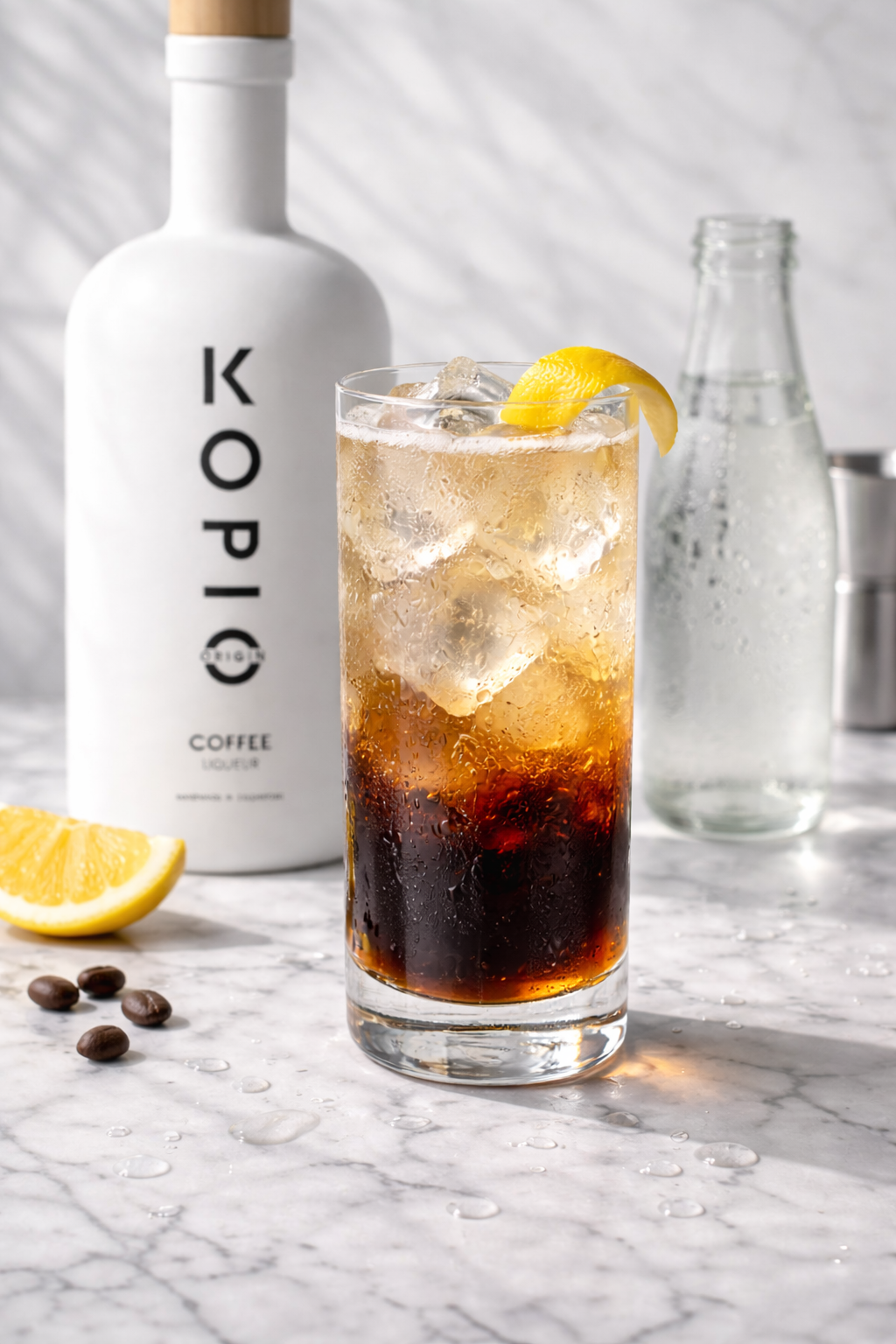
40 ml KopiO coffee liqueur
120 ml high-quality tonic water (dry or lightly sweetened)
Fresh lemon peel (expressed only)Build
Fill the glass completely with ice.
Add KopiO over the ice.
Top slowly with tonic water to preserve carbonation.
Give a very gentle lift with a bar spoon.
Express a lemon peel over the surface and discard.
The ratio favours length and bitterness over sweetness. Coffee should feel present but airy, not dense.
Why These Proportions Work
The 1:3 ratio between KopiO and tonic is deliberate.
At 40 ml, KopiO provides enough coffee presence to anchor the drink without pushing sweetness forward. Tonic water stretches the profile, introducing bitterness and lift while keeping the finish short and refreshing.
Because KopiO is designed with controlled sweetness, it does not fight tonic’s quinine edge. Instead, roast and bitterness align, creating tension rather than overload. This same clarity under pressure is why KopiO performs reliably in other structurally demanding formats, such as the Espresso Martini, where balance matters more than intensity. That dynamic is explored further in the discussion of why the right coffee liqueur matters for the Espresso Martini.
Choosing the Right Tonic
Tonic choice is critical.
Avoid heavily sweetened or strongly flavoured tonics. Citrus-forward or botanical tonics often clash with coffee roast. A clean, dry tonic with restrained sweetness works best, allowing coffee and quinine bitterness to coexist.
Carbonation level matters as well. Higher carbonation keeps the drink lively and prevents sweetness from accumulating as the ice melts.
The Role of Citrus Expression
Citrus should be used sparingly and only as an aromatic accent.
A quick expression of lemon peel lifts the top notes and brightens the roast without adding acidity or sugar. Juice should be avoided, as it disrupts the drink’s dry structure and pushes the balance away from tonic bitterness.
Texture, Dilution, and Finish
This drink should feel crisp and linear.
KopiO’s controlled mouthfeel ensures the drink does not feel sticky or heavy, even as dilution increases. Coffee appears mid-palate, then clears quickly, allowing tonic bitterness to finish cleanly.
That clean finish is what makes this drink suitable for long, easy drinking rather than short, contemplative sipping.
When to Serve This Drink
A KopiO and tonic works best in warm weather, early evening settings, or anytime a heavier coffee cocktail would feel out of place.
It suits drinkers who enjoy bitterness, black coffee, or aperitivo-style drinks, but want something lighter and more refreshing. It is also an approachable introduction for those curious about coffee liqueur but wary of sweetness.
Keep Variations Minimal
If variation is needed, keep it disciplined.
A different tonic will shift emphasis. A different citrus peel will alter aroma. What should be avoided are syrups, juices, or additional liqueurs that blur the drink’s clarity.
The strength of this serve lies in its restraint.
Why KopiO Holds Up in Bitter, Carbonated Drinks
Tonic exposes imbalance immediately. Coffee liqueurs built around sugar or viscosity tend to collapse once quinine and carbonation are introduced.
KopiO’s ability to remain stable in this format reflects its process-led design and its suitability for real-world service. That adaptability is one reason it is trusted in hospitality environments and positioned for both casual and professional use, as outlined in Origin Crafted’s trade and retail focus.
See How KopiO Handles Different Demands
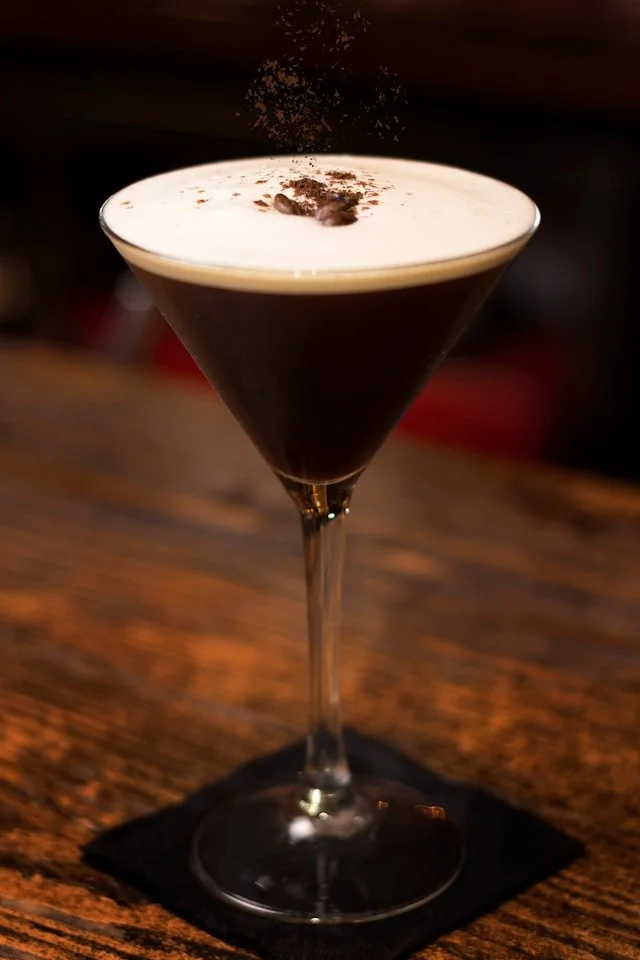
The tonic build shows how KopiO behaves under bitterness and carbonation, but structure reveals itself differently in other formats. In tightly built classics like The Espresso Martini Done Properly – Why the Right Coffee Liqueur Matters, clarity and restraint prevent coffee from becoming heavy or overly sweet.
In softer, cream-forward drinks such as the KopiO White Russian, balance keeps the drink from collapsing into dessert territory. And in culinary applications like KopiO Chocolate Mousse, coffee enhances flavour without overpowering it. Each format stresses the structure differently — and each confirms the same principle: balance before intensity.
A Coffee Highball for Bitter Drinkers
This KopiO and tonic shows how coffee liqueur can live comfortably in dry, bitter territory without losing its identity.
When proportions are correct and the base liqueur is built with restraint, roast and bitterness stop competing and start working together. The result is a long drink that feels modern, refreshing, and unapologetically grown-up.
More from KopiO by Studio Origin