How Coffee, Sugar, and Alcohol Work Together in Liqueurs
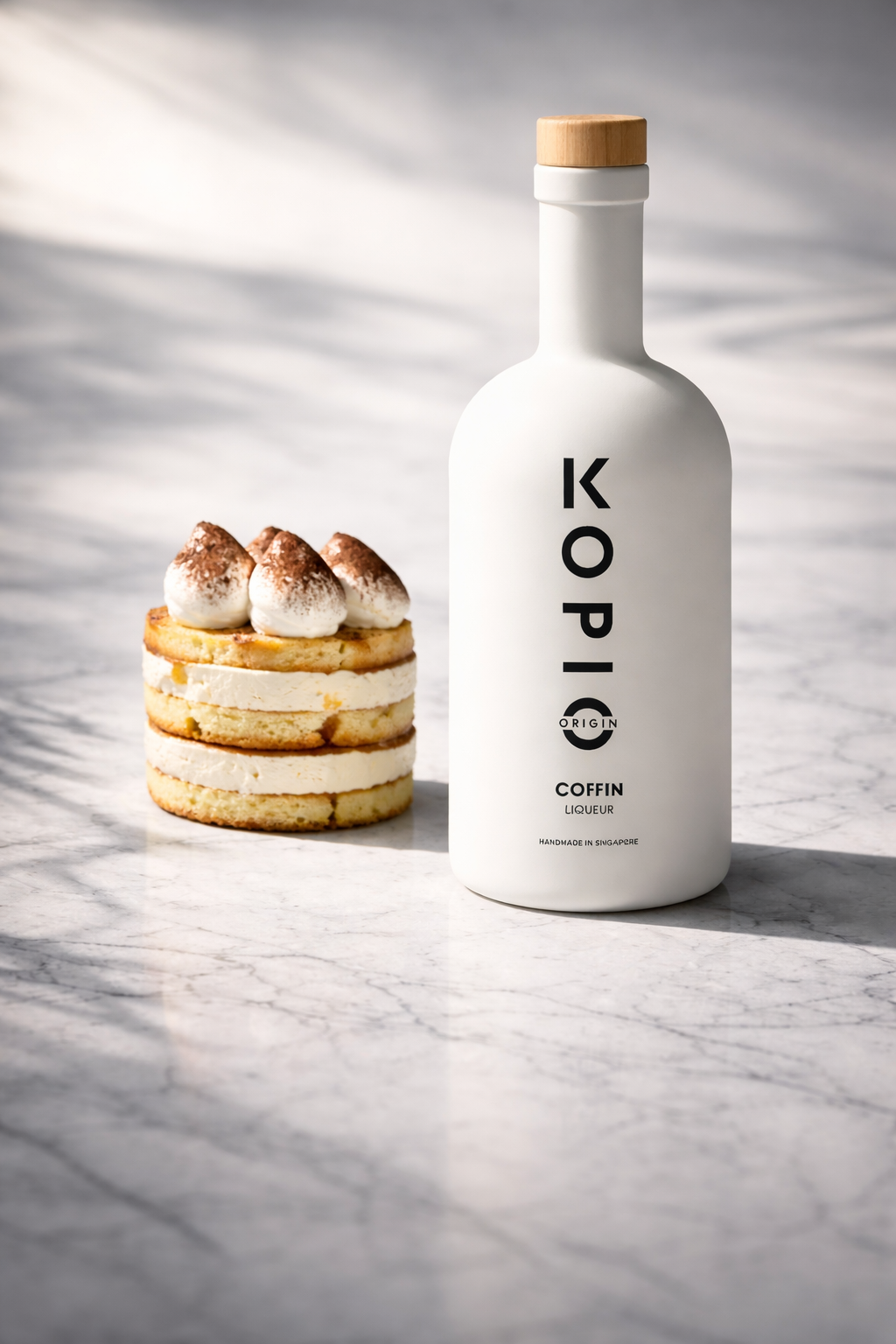
Coffee liqueurs are often described in simple terms — sweet, coffee-flavoured, alcoholic — but what makes a good one isn’t simplicity. It’s balance. Coffee, sugar, and alcohol each play a specific role, and when they’re designed to work together properly, the result feels smooth, coherent, and surprisingly nuanced.
When they’re not balanced, the liqueur feels heavy, cloying, or harsh. Understanding how these three elements interact explains why some coffee liqueurs feel effortless to drink and use, while others are difficult to mix or tiring after a few sips.
Coffee: The Backbone, Not a Flavouring
In a well-made coffee liqueur, coffee is the structural core. It provides bitterness, aroma, depth, and length. These qualities are essential because they prevent the liqueur from collapsing into sweetness.
The choice of coffee matters enormously. Roast level, extraction method, and concentration all affect how the liqueur behaves once mixed. Coffee that’s too light can disappear. Coffee that’s too aggressive can become sharp once alcohol is introduced.
This is why coffee-forward liqueurs like KopiO by Studio Origin are built to keep the coffee flavour present even after dilution, chilling, or mixing with dairy. The coffee isn’t an accent. It’s the spine of the product.
Sugar: Structure, Not Just Sweetness
Sugar is often misunderstood as the “easy” part of a liqueur. In reality, it’s one of the most difficult elements to get right.
Sugar serves three main purposes:
It rounds bitterness from coffee
It adds body and mouthfeel
It helps flavours linger on the palate
Too little sugar and the liqueur feels thin and sharp. Too much and it becomes syrupy, flattening the coffee and masking nuance.
In balanced coffee liqueurs, sugar doesn’t announce itself. You notice it only by its absence when it’s wrong. This is especially important in cocktails like the Espresso Martini, where excess sweetness can quickly overwhelm espresso.
Studio Origin explores this balance clearly in The Espresso Martini Done Properly, showing how sugar supports coffee rather than competing with it.
Alcohol: The Carrier, Not the Star
In coffee liqueurs, alcohol has a different job than it does in base spirits. It’s there to carry aroma, preserve flavour, and give the liqueur structure — not to dominate the experience.
Alcohol lifts volatile coffee aromas and keeps them stable over time. It also adds a gentle warmth that helps flavours open up, especially when served chilled or mixed.
When alcohol is too prominent, the liqueur feels harsh and disjointed. When it’s well integrated, it disappears into the background, making the coffee and sweetness feel more expressive.
This is one reason why balanced liqueurs are easier to enjoy for people who don’t usually drink spirits. The alcohol is present, but not confrontational.
How the Three Elements Interact in the Glass
The real test of balance happens once the liqueur leaves the bottle.
In cocktails, coffee brings bitterness and aroma, sugar provides body and cohesion, and alcohol ensures the flavours don’t collapse when ice and dilution enter the picture. Remove or exaggerate any one element, and the drink quickly feels off.
A good illustration is the KopiO White Russian. Cream adds richness, which could easily mute coffee. But when coffee concentration and sugar are properly calibrated, the coffee remains clear, the sweetness stays controlled, and the drink feels indulgent rather than heavy.
Why This Balance Matters in Desserts
Coffee liqueur isn’t limited to cocktails. In desserts, the relationship between coffee, sugar, and alcohol becomes even more delicate.
Coffee sharpens chocolate and cuts through dairy richness. Sugar connects those flavours to the dessert’s existing sweetness. Alcohol lifts aroma and prevents the dish from tasting flat.
In something like KopiO chocolate mousse, the liqueur doesn’t read as “alcoholic.” Instead, it makes the chocolate taste deeper and the dessert feel more complete.
This only works when none of the three elements overpower the others.
Why Professionals Care About This Balance
Bars and hotels don’t choose coffee liqueurs based on flavour alone. They choose them based on performance.
A balanced liqueur:
Mixes consistently across different drinks
Behaves predictably with ice and dairy
Doesn’t require constant recipe adjustment
This is why coffee liqueurs like KopiO are positioned for real-world use, as reflected in Studio Origin’s trade and retail approach. Balance reduces friction behind the bar and increases consistency in service.
Balance Is What Makes a Liqueur Feel “Easy”
When people describe a coffee liqueur as “easy to drink,” they’re usually responding to balance, not sweetness or low alcohol.
Balanced coffee, controlled sugar, and integrated alcohol create a smooth flavour curve with no sharp spikes. That’s what allows the liqueur to feel approachable without being boring.
It’s also why these liqueurs work equally well in cocktails, desserts, or simple after-dinner pours.
Seeing the Bigger Picture
The interaction between coffee, sugar, and alcohol isn’t accidental. It’s designed. And when it’s done well, the liqueur feels effortless.
You can see how this philosophy plays out across different applications by exploring Studio Origin Stories, where KopiO is used in cocktails and desserts that rely on balance rather than excess.
In the end, great coffee liqueur isn’t about louder coffee, more sugar, or stronger alcohol. It’s about how quietly and confidently those three elements work together.