Why Process Matters More Than Branding in Coffee Liqueur Making


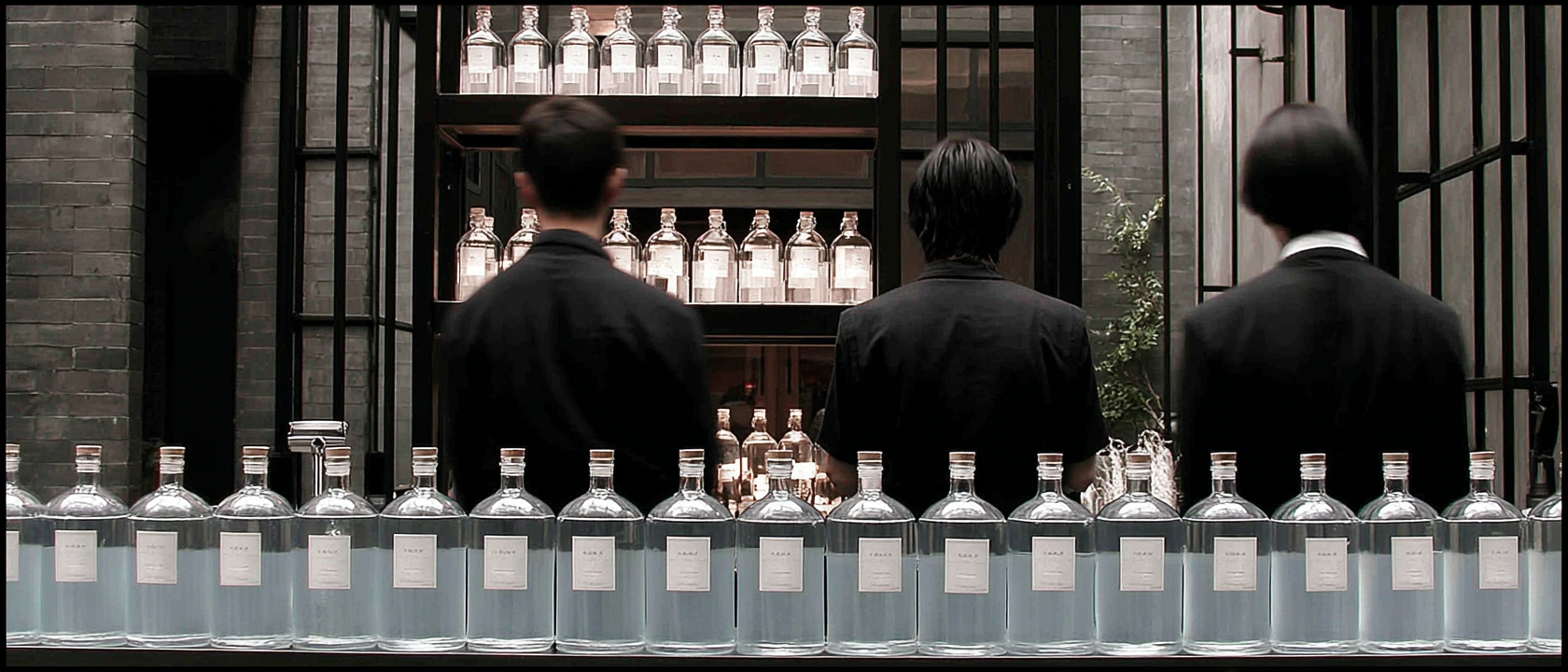
In the world of spirits, branding often gets the spotlight. Labels, bottle shapes, clever taglines and lifestyle positioning dominate shelves and social feeds. But when it comes to coffee liqueur, branding alone can only carry a product so far. What ultimately defines quality, consistency, and trust is process.
Coffee liqueur is uniquely unforgiving. It sits at the intersection of coffee, alcohol, sugar, and water—four elements that each demand precision. When any one of them is mishandled, the result is immediately obvious in the glass. This is why serious bars, hotels, and professionals look beyond branding and focus on how a coffee liqueur is actually made.
This is also where KopiO quietly stands apart.
Coffee Liqueur Is Built, Not Designed
Unlike many flavoured spirits, coffee liqueur cannot rely on aroma compounds or surface-level flavouring. Coffee itself is complex, volatile, and sensitive to extraction methods. Poor process shows up fast as bitterness, muddiness, or cloying sweetness.
A well-made coffee liqueur respects coffee as an ingredient, not a flavour shortcut. That means starting with high-quality beans, understanding roast profiles, and controlling how coffee is extracted into alcohol. It also means knowing when to stop.
KopiO’s approach begins with this understanding. Rather than designing a brand first and figuring out flavour later, the focus has always been on building a liquid that performs properly in real-world use—especially in cocktails. This philosophy is reflected in how KopiO is developed at Studio Origin, where coffee and spirits are treated with the same level of discipline rather than marketing-driven experimentation. You can explore that philosophy further through the background of Studio Origin itself at https://www.origincrafted.com/studio-origin.
Extraction Is Where Most Coffee Liqueurs Fail
One of the most common mistakes in coffee liqueur making is over-extraction. In an attempt to achieve “strong coffee flavour,” many producers push extraction too far, pulling excessive bitterness and harsh tannins into the liquid. The result may smell intense but collapses in balance when mixed.
Good process prioritises clarity over aggression. The goal is not maximum intensity, but usable structure. Coffee flavour should be present, expressive, and controlled—able to sit alongside vodka, rum, cream, or chocolate without dominating or disappearing.
This is precisely why KopiO works so well in classic drinks like the Espresso Martini. When coffee liqueur is properly extracted and balanced, it integrates seamlessly with fresh espresso rather than competing with it. The difference becomes obvious when you compare outcomes behind the bar, as explored in https://www.origincrafted.com/stories/the-espresso-martini-done-properly-why-the-right-coffee-liqueur-matters.
Balance Is a Technical Outcome, Not a Marketing Claim
“Balanced” is one of the most overused words in drinks marketing. But real balance isn’t achieved by adjusting sweetness after the fact or masking flaws with sugar. It is the result of decisions made early in production.
Sugar level, alcohol strength, coffee intensity, and mouthfeel must be considered together, not independently. Too sweet, and the liqueur becomes heavy and limiting. Too dry, and it feels sharp or hollow. Too alcoholic, and coffee nuance disappears.
KopiO’s balance comes from restraint. Instead of pushing sweetness or viscosity for instant appeal, the structure is designed to remain light enough for professional use while still delivering a pronounced coffee character. This is why it performs across very different applications—from stirred cocktails to desserts—without needing modification.
A good example of this versatility can be seen in how KopiO behaves in cream-based classics like the White Russian, where excessive sweetness would normally become a problem. The result speaks for itself in https://www.origincrafted.com/stories/kopio-white-russian.
Why Professionals Trust Process Over Storytelling
Bartenders, bar managers, and hotel beverage teams are pragmatic by necessity. They care about consistency, cost efficiency, and reliability during service. A beautifully branded bottle that behaves unpredictably is more liability than asset.
This is why trust in coffee liqueur is earned through repeat performance, not first impressions. Professionals need a product that tastes the same across batches, behaves predictably in recipes, and complements other ingredients rather than overpowering them.
KopiO has found its way into bars and hospitality settings precisely because it was built with these requirements in mind. Its development prioritised service reality over shelf appeal, which aligns naturally with trade expectations. This professional-first mindset is reflected in how KopiO is positioned for partners at https://www.origincrafted.com/trade-retail.
The Difference Between Coffee-Flavoured and Coffee-Driven
There is a meaningful distinction between liqueurs that taste like coffee and liqueurs that are driven by coffee. The former often rely on flavour additions layered onto a neutral base. The latter treat coffee as the core structural component.
Coffee-driven liqueurs require more discipline, more testing, and more patience. They also leave less room for error. But when done properly, they offer depth without heaviness and flavour without fatigue.
KopiO belongs firmly in this second category. Its coffee character is not decorative—it defines the drink. This is why it holds up in dessert applications as well, where sweetness and richness can easily overwhelm poorly structured liqueurs. The balance becomes especially clear in preparations like chocolate mousse, showcased in https://www.origincrafted.com/stories/kopio-chocolate-mousse.
Why Process Is the Quiet Signal of Quality
Consumers may not always articulate why one coffee liqueur feels better than another, but they sense it. Drinks feel cleaner. Cocktails feel more integrated. Finishes linger instead of clinging.
These are not branding effects. They are process outcomes.
By focusing on extraction control, balance, and real-world usability, KopiO earns trust without needing to shout for attention. The branding supports the liquid—but never replaces it. That is why those who work with KopiO tend to stay with it, and why it continues to find relevance across bars, kitchens, and after-dinner settings.
For those curious to explore how this philosophy translates across different applications, the wider KopiO story collection at https://www.origincrafted.com/stories offers a deeper look into how process-led design shapes every use case.
The KopiO Standard
The KopiO Benchmark
If you’re evaluating coffee liqueurs based on how they actually perform—not how they present—KopiO offers a clear reference point. Built through disciplined process rather than branding shortcuts, it’s designed to work wherever coffee truly matters.
Choosing Substance Over Surface
Drink With Intention
When coffee liqueur is made with care, it doesn’t need exaggeration. Explore KopiO and see why process-first thinking continues to set a higher standard for coffee liqueur—one built on trust, balance & real flavour.