
What Craft Means When Applied to Coffee-Based Spirits
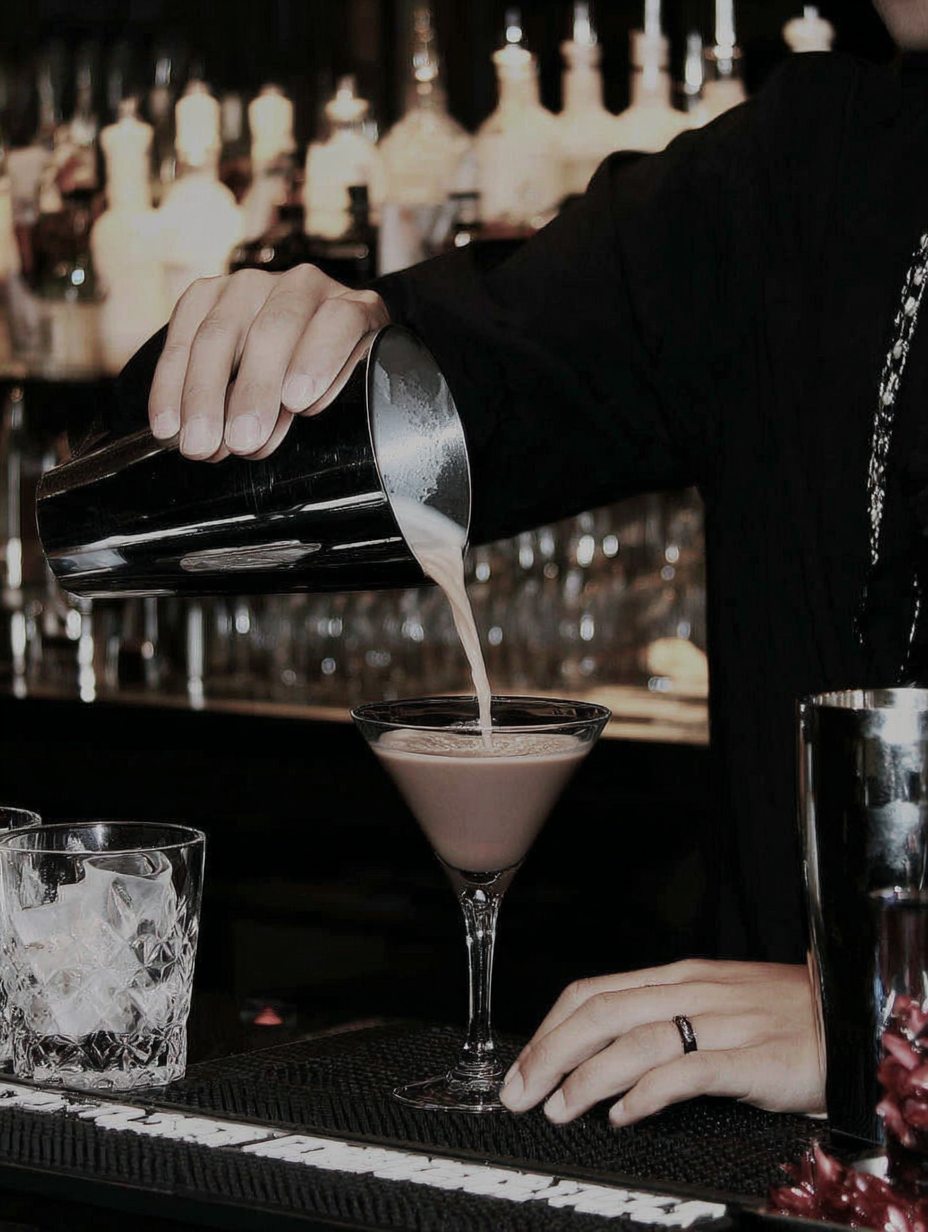
“Craft” is one of the most overused words in modern drinks culture. It appears on labels, menus, and marketing copy, often without explanation. In coffee-based spirits, the term becomes even more slippery. Does craft mean small batch? Local? Handmade? Premium beans? The reality is less romantic and more demanding.
When applied honestly, craft in coffee-based spirits refers to discipline, intention, and accountability at every stage of production. It is not a style or an aesthetic. It is a way of working that prioritises process over shortcuts and results over storytelling.
This is where coffee-based spirits separate themselves from flavoured alcohols. Coffee is not a passive ingredient. It reacts, degrades, and evolves depending on how it is handled. Applying craft to coffee-based spirits means respecting that complexity rather than simplifying it for convenience.
KopiO was built around this understanding. Developed by Studio Origin, it treats coffee as a structural ingredient rather than a flavour accent, grounding the idea of craft in decisions that affect how the liquid actually performs. That philosophy sits at the core of the work done at Studio Origin.
Craft Begins With Process, Not Positioning
True craft does not begin with branding or origin stories. It begins with process design. In coffee-based spirits, this means deciding how coffee is sourced, roasted, extracted, and integrated into alcohol long before sweetness or packaging are considered.
Coffee behaves differently in alcohol than it does in water. Alcohol extracts faster, pulls different compounds, and magnifies both strengths and flaws. Craft producers account for this rather than treating coffee as a plug-in flavour.
This is why process-led coffee spirits feel composed rather than loud. Each step is designed to support the next, creating a final product that makes sense in real use. KopiO’s development reflects this approach, focusing on extraction discipline and balance instead of surface-level intensity. That intent is visible across the KopiO portfolio available through Origin Crafted.
Craft Is Knowing What Not to Extract
One of the clearest markers of craft in coffee-based spirits is restraint. Coffee offers far more compounds than any single spirit should contain. The skill lies in selecting which elements belong in the final liquid.
Over-extraction is the opposite of craft. It prioritises impact over clarity, often resulting in bitterness, heaviness, and the need for corrective sweetness. Craft extraction, by contrast, stops early enough to preserve aroma and structure while avoiding fatigue.
This distinction becomes obvious in cocktails that rely on balance rather than spectacle. In drinks like the Espresso Martini, a crafted coffee liqueur supports fresh espresso instead of competing with it. The importance of this balance is explored in depth in the discussion of why the right coffee liqueur matters for the Espresso Martini.
Sweetness and Alcohol Are Structural Choices
Craft in coffee-based spirits also shows up in how sweetness and alcohol are used. Neither should exist to mask flaws. Both should serve the structure of the drink.
Excess sweetness can hide bitterness but limits versatility. Excess alcohol can signal seriousness while flattening aroma. Craft producers calibrate both to support coffee rather than dominate it.
KopiO’s structure reflects this restraint. Sweetness is present but controlled, and alcohol strength is chosen to carry coffee flavour without sharpening it unnecessarily. This balance allows the liqueur to integrate smoothly into cream-based drinks, where poor structure is immediately exposed. Its performance in this context is clearly demonstrated in the KopiO-focused White Russian.
Craft Is Proven Through Versatility
A useful way to test whether a coffee-based spirit is truly crafted is to observe how it behaves across applications. A well-crafted product should move comfortably between cocktails, desserts, and neat pours without adjustment.
This versatility does not come from neutrality. It comes from structural balance. Coffee flavour remains clear, sweetness does not accumulate, and texture stays supportive rather than intrusive.
KopiO’s ability to perform beyond the bar highlights this principle. In dessert applications, where bitterness and heaviness quickly become liabilities, its restraint allows coffee to remain expressive without overwhelming the dish. This is particularly evident in preparations like chocolate mousse, explored in the look at KopiO chocolate mousse.
Craft Matters Most in Professional Use
In hospitality, craft is not a talking point—it is a requirement. Bars and hotels need products that behave predictably, taste consistent, and integrate cleanly into existing programs. A coffee-based spirit that demands constant adjustment erodes trust.
Process-led craft delivers reliability. When extraction, sweetness, and alcohol are carefully managed, the product performs the same way across batches and venues. This consistency is one reason KopiO is positioned for professional environments, where repeatability matters as much as flavour. Its alignment with trade needs is reflected in Origin Crafted’s trade and retail focus.
Craft as Accountability
Perhaps the most important meaning of craft in coffee-based spirits is accountability. Craft producers cannot hide behind flavouring systems or aggressive branding. Their decisions are tasted directly in the glass.
When something feels balanced, drinkable, and composed, it is because someone chose restraint over excess at multiple stages of production. When something feels heavy or fatiguing, the opposite is usually true.
KopiO’s character is the result of those quieter choices. It does not rely on spectacle to justify itself. Its credibility comes from how it behaves when used, mixed, and revisited.
Understanding Craft Beyond the Label
Craft is not a claim. It is a pattern of decisions that hold up under use. In coffee-based spirits, it shows up in clarity, balance, and longevity on the palate.
For those evaluating coffee liqueurs beyond marketing language, the question is simple: does the liquid reward repeat use? When craft is applied properly, the answer becomes obvious.
KopiO demonstrates that craft, when taken seriously, is not about doing more. It is about doing just enough—and stopping at the right moment.
