Why Coffee Liqueurs Taste So Different From One Another
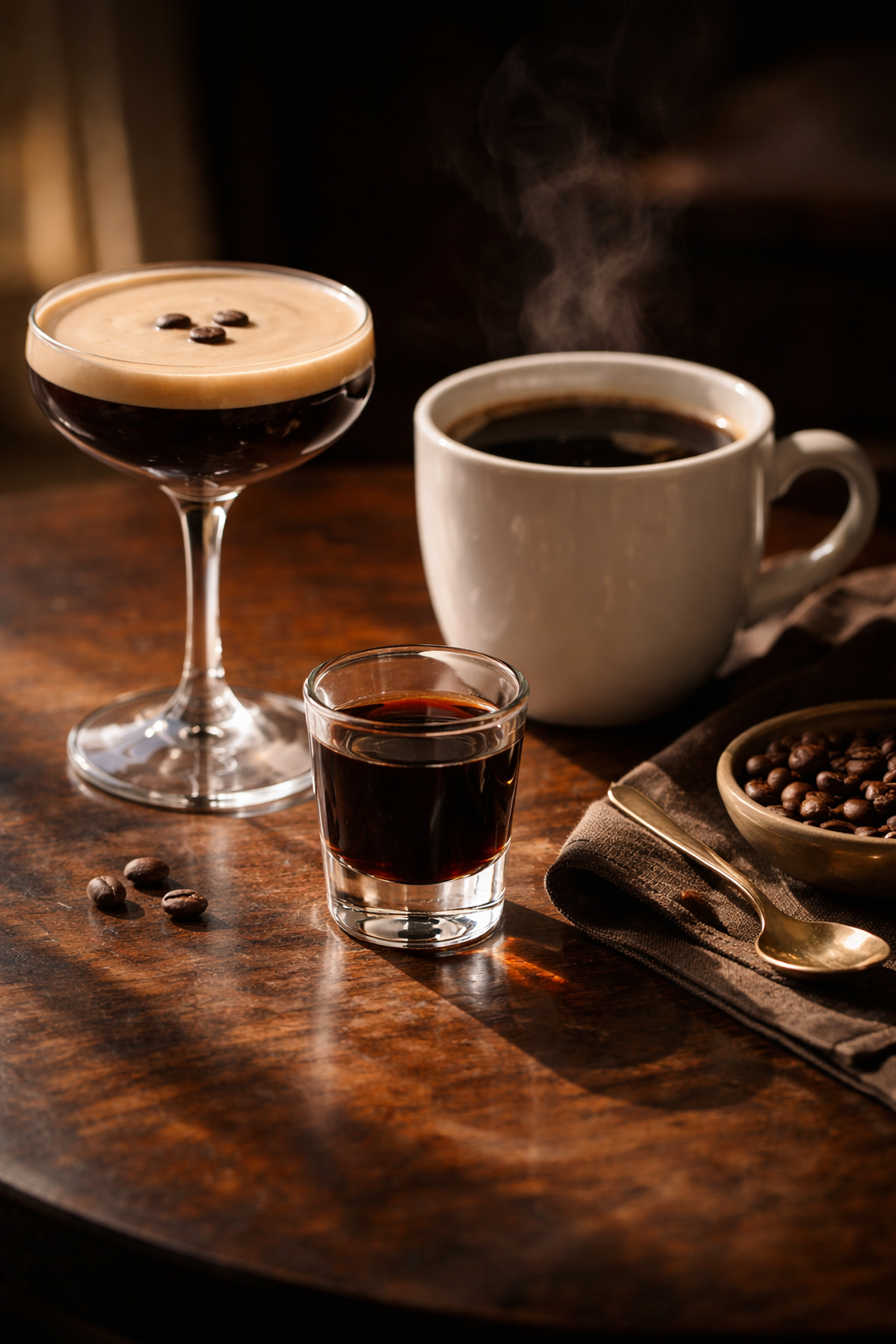
Coffee liqueur seems like a simple category on the surface. Coffee, sugar, alcohol — how different can they really be? Yet anyone who has tasted more than one quickly notices how dramatically they vary. Some feel syrupy and dessert-heavy. Others are sharp and spirit-forward. Some taste unmistakably like coffee, while others barely resemble it at all.
Those differences aren’t accidental. They come from a series of deliberate choices made long before the bottle reaches the bar.
It Starts With the Coffee Itself
The biggest factor is also the most obvious: the coffee.
Not all coffee liqueurs use the same type of beans, roast levels, or extraction methods. Darker roasts bring heavier bitterness, chocolate notes, and weight. Lighter roasts lean toward acidity, fruit, and aroma. Some liqueurs rely on cold-brew-style extraction for smoothness, while others use hot extraction to pull out intensity.
In coffee-forward liqueurs like KopiO by Studio Origin, the coffee is treated as the backbone of the product, not just a flavouring. That means the coffee has to remain present even after chilling, dilution, or mixing — a requirement that immediately separates balanced liqueurs from ones that collapse once used in cocktails.
Sugar Levels Change Everything
Sugar is the quiet divider that most people underestimate.
High-sugar coffee liqueurs feel thick, round, and dessert-like. They can be comforting, but they often flatten nuance and mute bitterness. Lower-sugar liqueurs feel drier, sharper, and more coffee-driven — but if taken too far, they can become thin or harsh.
The key difference is intention. Some liqueurs are designed to be sipped neat as a sweet after-dinner drink. Others are built to function as ingredients.
This distinction becomes obvious in cocktails like the Espresso Martini. When sugar levels are too high, the drink becomes cloying. When they’re calibrated correctly, the cocktail feels structured and clean. Studio Origin explores this balance in The Espresso Martini Done Properly, where sugar is treated as a structural tool rather than a flavour crutch.
Alcohol Base and Strength Matter More Than You Think
Another major reason coffee liqueurs taste different is the alcohol itself.
Some use neutral spirits that stay out of the way, allowing coffee and sweetness to lead. Others use rum, brandy, or whisky bases that actively contribute flavour. Even at similar alcohol percentages, these bases dramatically change how the liqueur feels on the palate.
Higher alcohol content tends to lift aroma and sharpen flavour edges. Lower alcohol content feels softer and rounder. Neither is inherently better, but they serve very different purposes.
Liqueurs designed for hospitality settings tend to favour balance and usability over punch. That’s why products intended for professional use, such as those outlined in Studio Origin’s trade and retail approach, prioritise consistency and integration rather than intensity.
Texture and Mouthfeel Are Designed, Not Accidental
One reason some coffee liqueurs feel “luxurious” while others feel thin comes down to texture.
Sugar concentration, coffee solids, and alcohol all affect viscosity. A thicker liqueur coats the palate and reads as indulgent. A lighter one feels cleaner and more flexible in mixed drinks.
This matters hugely in creamy cocktails. In a White Russian-style drink, a heavy, overly sweet liqueur can make the cocktail feel flat and tiring. A more balanced one keeps the coffee alive even when dairy enters the picture.
The KopiO White Russian is a useful reference here, showing how a coffee liqueur with controlled sweetness and clear coffee flavour can remain expressive alongside cream instead of disappearing under it.
Intended Use Shapes Flavour Decisions
Perhaps the most important factor is how the liqueur is meant to be used.
Some coffee liqueurs are designed primarily for sipping. They prioritise immediate sweetness and richness. Others are designed for cocktails and desserts, where restraint and structure matter more.
This intent affects everything:
Coffee concentration
Sugar level
Alcohol strength
Texture
A liqueur built for cocktails has to survive ice, dilution, and mixing without falling apart. One built mainly for neat drinking doesn’t face those challenges.
You can see this ingredient-first philosophy clearly across Studio Origin Stories, where coffee liqueur is consistently shown as part of real drinks and desserts, not just as a standalone pour.
Desserts Reveal the Differences Instantly
If you want to understand how different coffee liqueurs really are, look at how they behave in desserts.
A balanced coffee liqueur enhances chocolate, sharpens sweetness, and adds aroma without shouting “alcohol.” An overly sweet or spirit-forward one quickly dominates the dish.
The KopiO chocolate mousse highlights this contrast perfectly. The coffee flavour deepens the dessert rather than weighing it down, which only works because the liqueur itself is balanced from the start.
Why “Easy to Drink” Means Different Things
When people say a coffee liqueur is “easy to drink,” they’re often responding to different things.
For some, it means sweet and smooth. For others, it means balanced, light, and not fatiguing. Those are very different experiences, shaped by the choices above.
Understanding why coffee liqueurs taste different helps you choose the right one for how you actually drink — whether that’s cocktails, desserts, or an occasional after-dinner pour.
The Big Picture
Coffee liqueurs taste different because they’re built differently. Coffee choice, sugar level, alcohol base, texture, and intended use all pull flavour in different directions.
Once you know what to look for, those differences stop being confusing and start being useful. You don’t just taste variation — you taste design.
And that’s the real reason some coffee liqueurs feel forgettable while others quietly become house staples.