Understanding Strength, Sweetness, and Finish in Coffee Liqueurs
Most people judge coffee liqueur in one sip. Professionals judge it over three stages. Strength, sweetness, and finish tell you everything — and once you learn to taste them separately, quality becomes obvious.
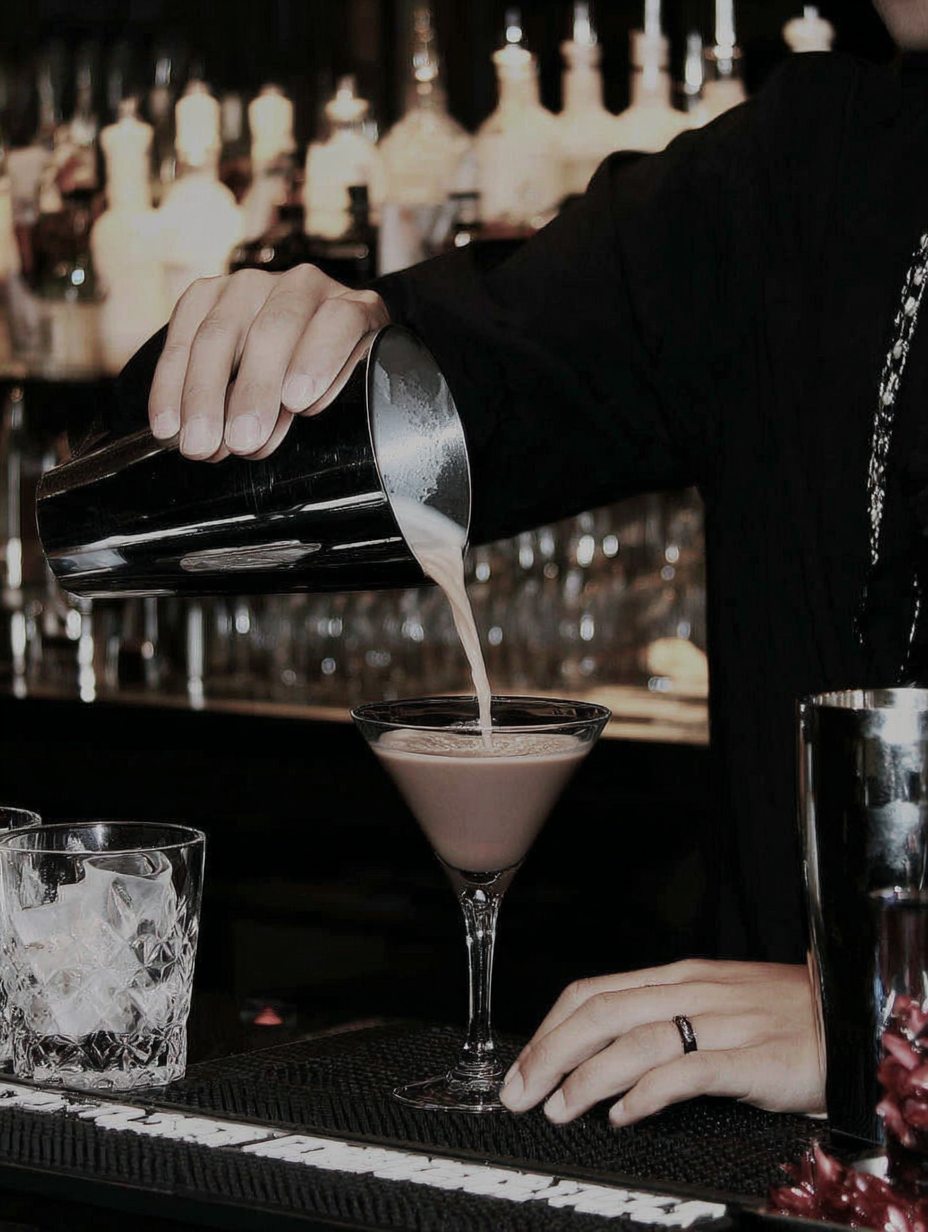
When people talk about coffee liqueur, they often describe it in vague terms: strong, sweet, smooth. But those words don’t really explain why one bottle feels elegant while another feels heavy, or why some liqueurs work beautifully in cocktails while others fall apart the moment ice is added.
The real differences come down to three things working together: strength, sweetness, and finish. Once you understand how these elements interact, tasting coffee liqueur becomes far more intuitive — and choosing the right one becomes much easier.
Strength Is About Presence, Not Alcohol Burn
In coffee liqueurs, strength is often misunderstood. It’s not just about alcohol percentage. More importantly, it’s about flavour presence.
A liqueur can be relatively low in alcohol and still feel strong if the coffee concentration is high and clearly expressed. Conversely, a higher-proof liqueur can feel weak if sweetness or alcohol masks the coffee.
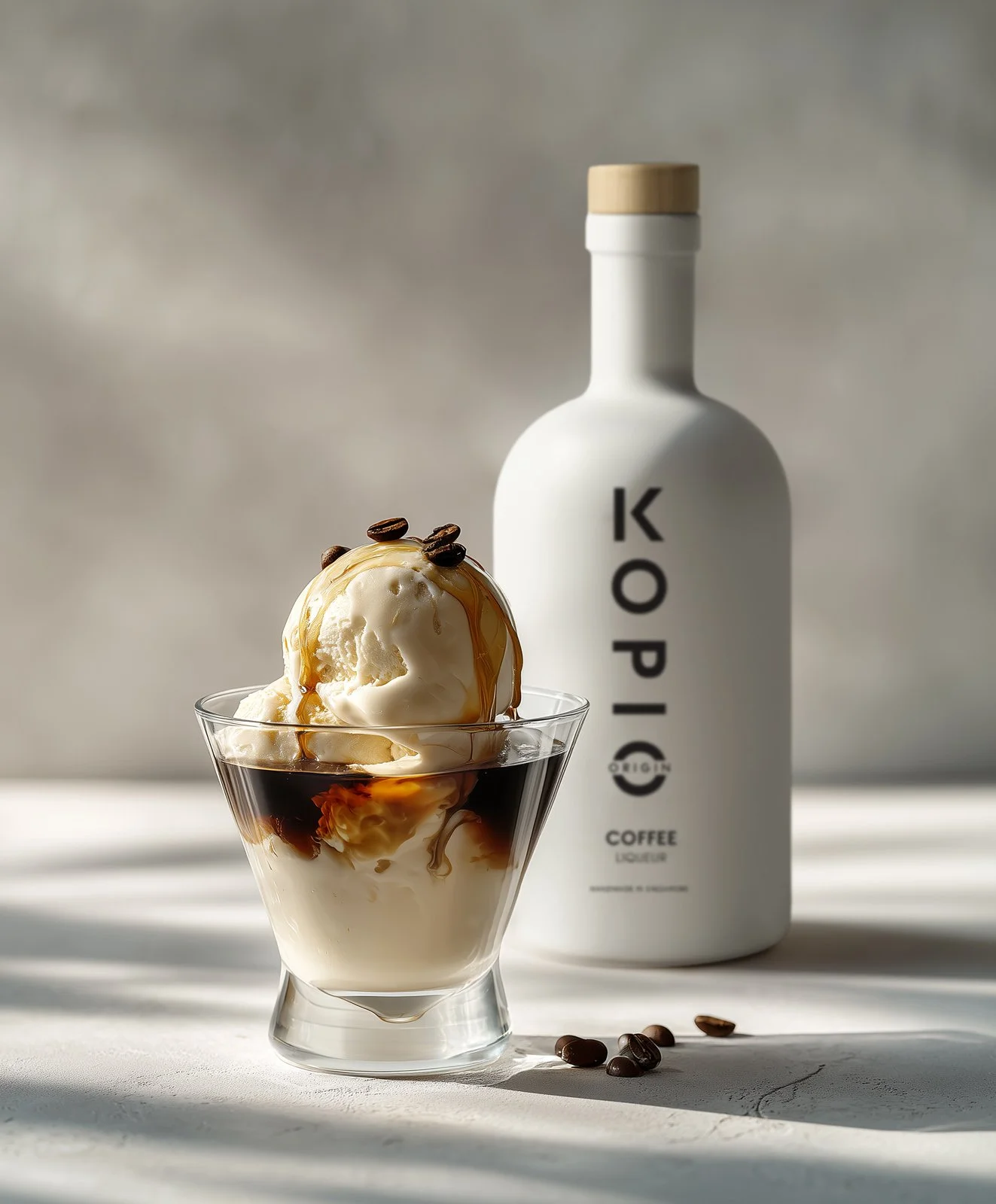
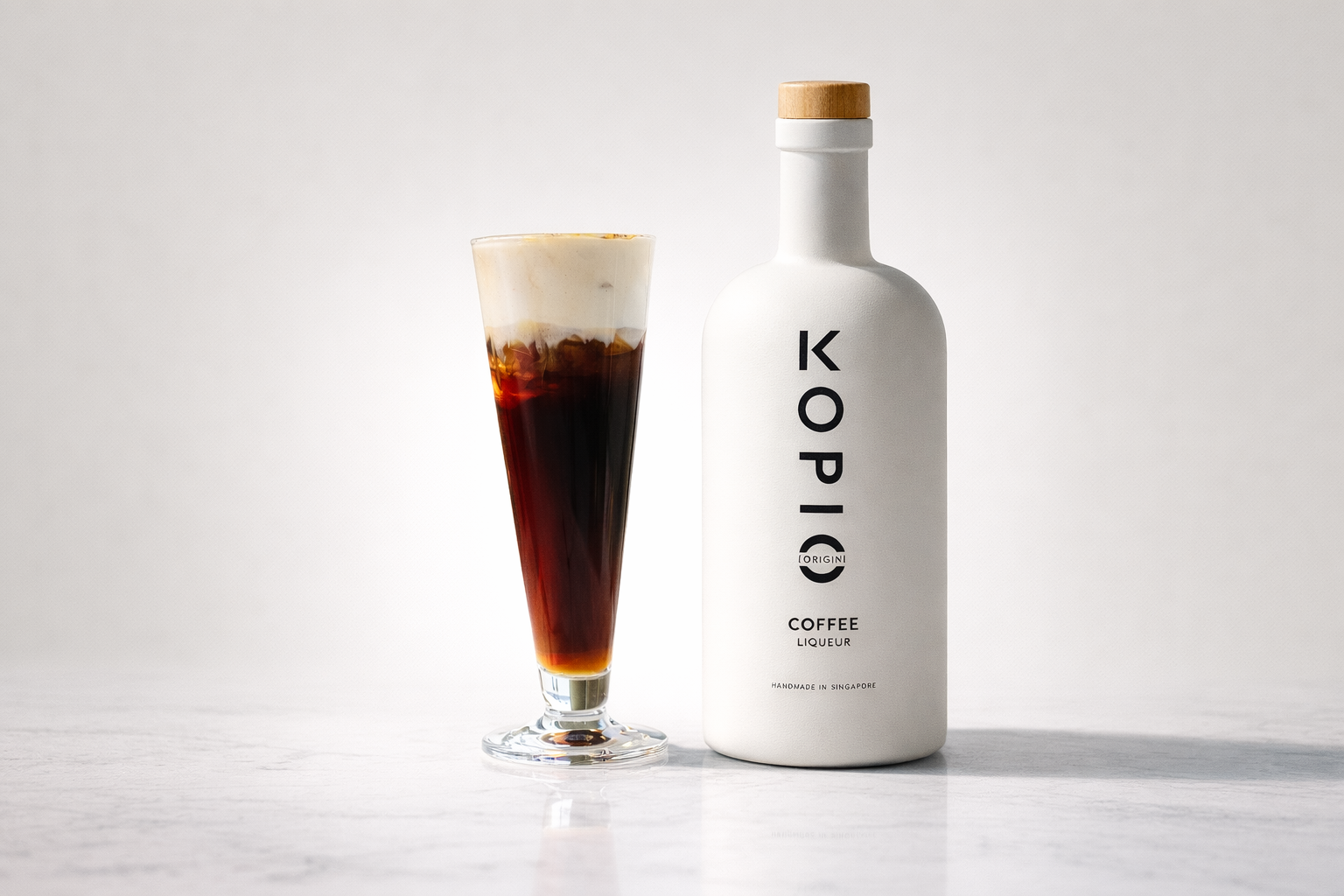
Well-designed coffee liqueurs focus on coffee strength first. The goal is for the coffee to remain identifiable after chilling, dilution, or mixing. This is a core idea behind KopiO by Studio Origin, which is built so the coffee character holds its ground even when used as an ingredient rather than sipped neat.
This approach matters in real drinks, especially in cocktails where ice and other components quickly test whether a liqueur has real structure.
Sweetness Shapes the Entire Drinking Experience
Sweetness is the most immediately noticeable variable, and also the easiest one to get wrong.
High sweetness creates an instant sense of comfort and indulgence, but it shortens the drinking experience. The palate gets tired quickly, and nuance disappears. Lower sweetness allows bitterness, aroma, and texture to come through, but if pushed too far, it can make a liqueur feel thin or sharp.
In balanced coffee liqueurs, sweetness works quietly. It rounds coffee bitterness, adds body, and supports mouthfeel without announcing itself.
This balance becomes especially clear in cocktails like the Espresso Martini. When sweetness is excessive, the drink becomes syrupy. When it’s restrained, the cocktail feels crisp and structured. Studio Origin explores this exact relationship in The Espresso Martini Done Properly, where sweetness is treated as a structural element rather than a shortcut.
Finish Is Where Quality Reveals Itself
If strength and sweetness shape the first impression, the finish tells you whether the liqueur is well made.
A good finish feels clean, controlled, and intentional. The coffee lingers gently, bitterness fades naturally, and sweetness doesn’t stick unpleasantly to the palate. You’re left wanting another sip, not water.
A poor finish does the opposite. Sugar clings. Alcohol heat spikes late. Coffee bitterness turns harsh instead of elegant.
Finish is also where balance matters most for people who don’t usually drink spirits. A smooth finish makes a coffee liqueur feel approachable even to non-drinkers, while a rough finish creates instant resistance.
How These Three Elements Work Together in Cocktails
Strength, sweetness, and finish are inseparable once a liqueur enters a cocktail.
In a properly balanced build, coffee strength ensures the flavour remains clear, sweetness connects the ingredients, and finish keeps the drink light on the palate. Remove or exaggerate any one of these, and the cocktail feels off.
A White Russian-style drink is a good example. Cream naturally softens alcohol and bitterness, which means the coffee liqueur must be strong enough to remain present, sweet enough to integrate, and clean enough to finish without heaviness. The KopiO White Russian shows how these elements can stay in balance even in a rich, creamy context.
Desserts Put Finish Under a Microscope
Desserts are unforgiving when it comes to finish.
In sweet dishes, any lingering alcohol heat or excessive sugar becomes immediately obvious. That’s why coffee liqueurs used in desserts must be especially well balanced.
In applications like the KopiO chocolate mousse, the liqueur enhances chocolate, sharpens sweetness, and adds aroma without tasting alcoholic. That only works because strength, sweetness, and finish are carefully aligned from the start.
Why Hospitality Professionals Care So Much About Balance
Bars and hotels don’t evaluate coffee liqueurs in isolation. They care about how those three elements behave across dozens of drinks, different bartenders, and varying conditions.
A balanced liqueur:
Performs consistently with ice and dilution
Requires fewer recipe adjustments
Feels reliable across service
That’s why coffee liqueurs intended for professional use emphasise balance over impact, as reflected in Studio Origin’s trade and retail focus.
Learning to Taste Coffee Liqueur Properly
If you want to understand a coffee liqueur quickly, taste in stages.
First sip: notice coffee strength.
Mid-palate: pay attention to sweetness and texture.
Finish: observe what lingers and how long it lasts.
This simple framework reveals more than alcohol percentage or tasting notes ever could.
See These Principles in Action
These three elements become easiest to understand when you see them applied in real builds. In precision-driven cocktails like The Espresso Martini Done Properly – Why the Right Coffee Liqueur Matters, strength, sweetness, and finish must align perfectly or the drink collapses into syrup or bitterness.
In richer formats such as the KopiO White Russian, balance prevents cream from masking coffee entirely. And in desserts like KopiO Chocolate Mousse, finish becomes the deciding factor between elegance and heaviness. Each application exposes imbalance immediately — and confirms why restraint matters.
Putting It All Together
Great coffee liqueurs don’t shout. They’re built so strength feels confident, sweetness feels intentional, and the finish feels clean.
You can see how these principles translate into real-world use by exploring Studio Origin Stories, where coffee liqueur is shown in cocktails and desserts that rely on balance rather than excess.
Once you understand strength, sweetness, and finish, coffee liqueurs stop feeling inconsistent or confusing. They start to make sense — and the good ones stand out immediately.
More from KopiO by Studio Origin