Designing a Coffee Liqueur That Works Across Multiple Uses
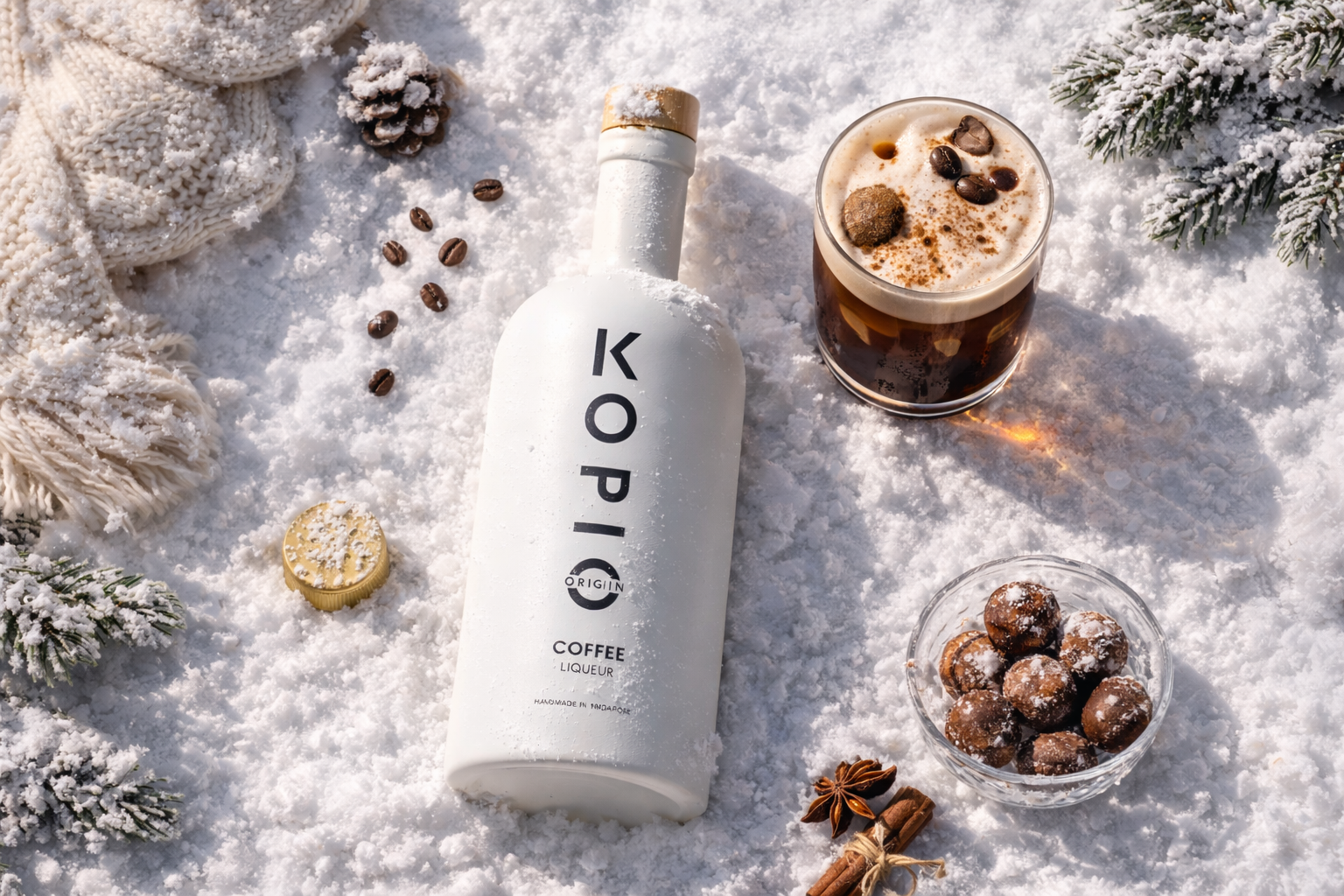
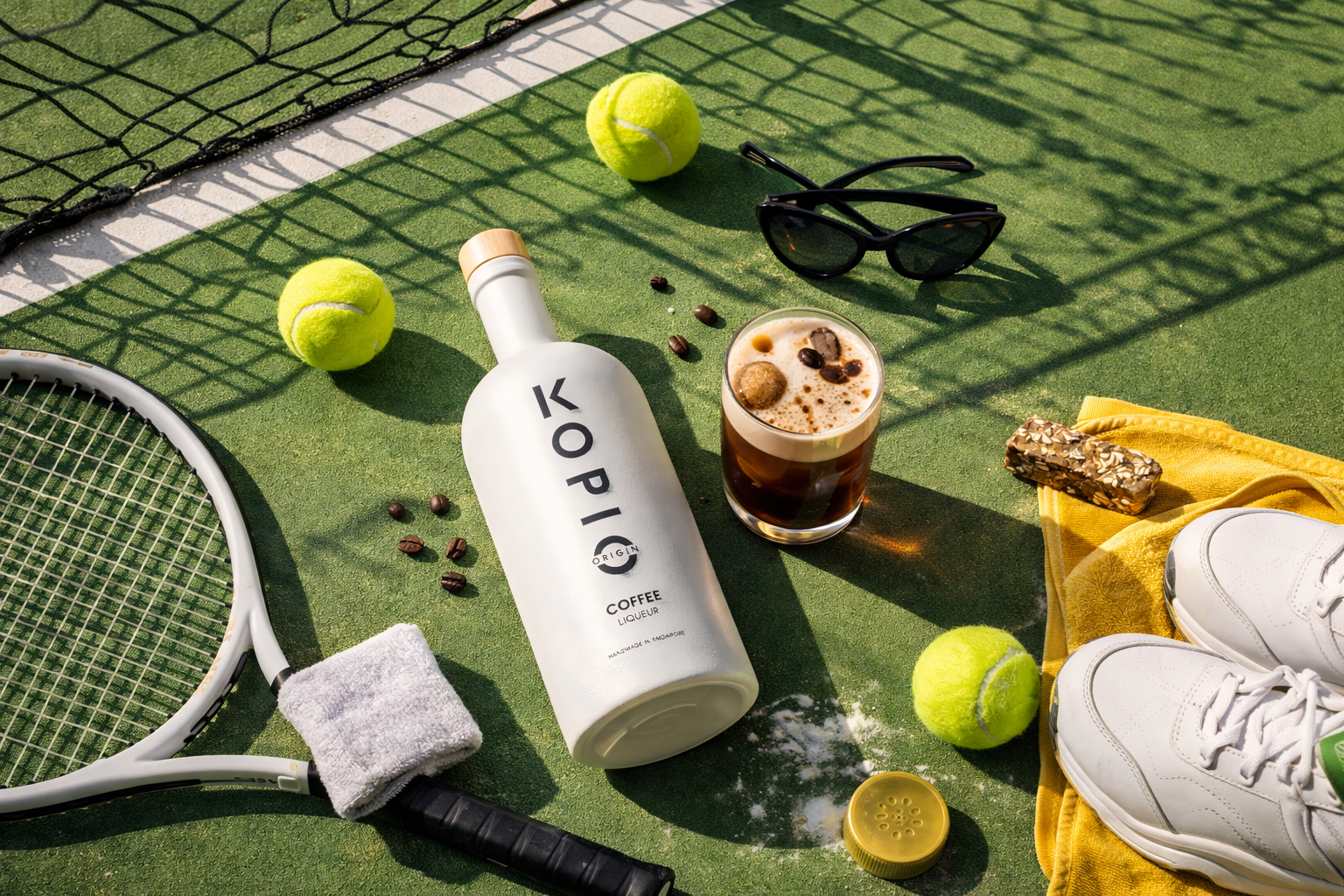
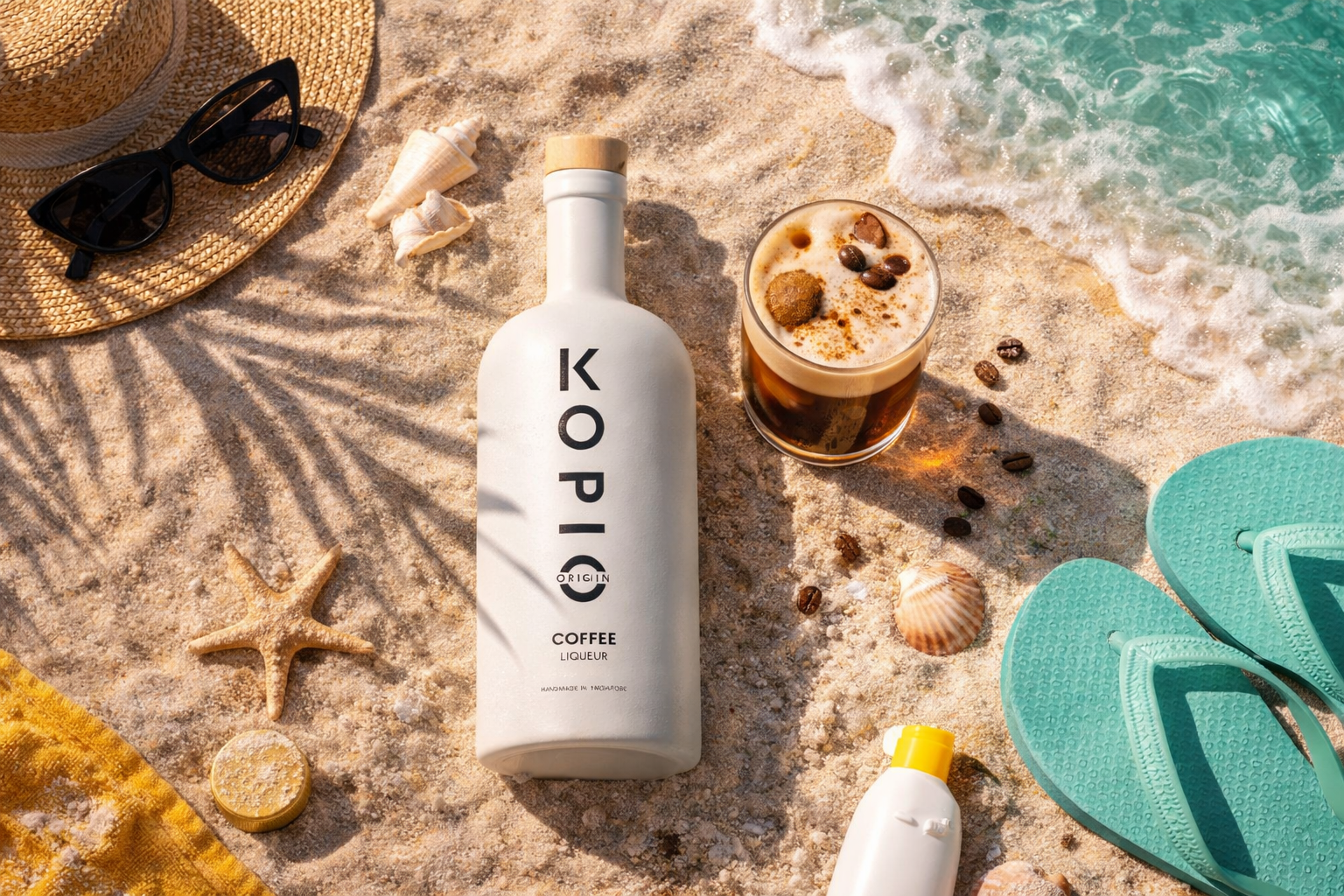
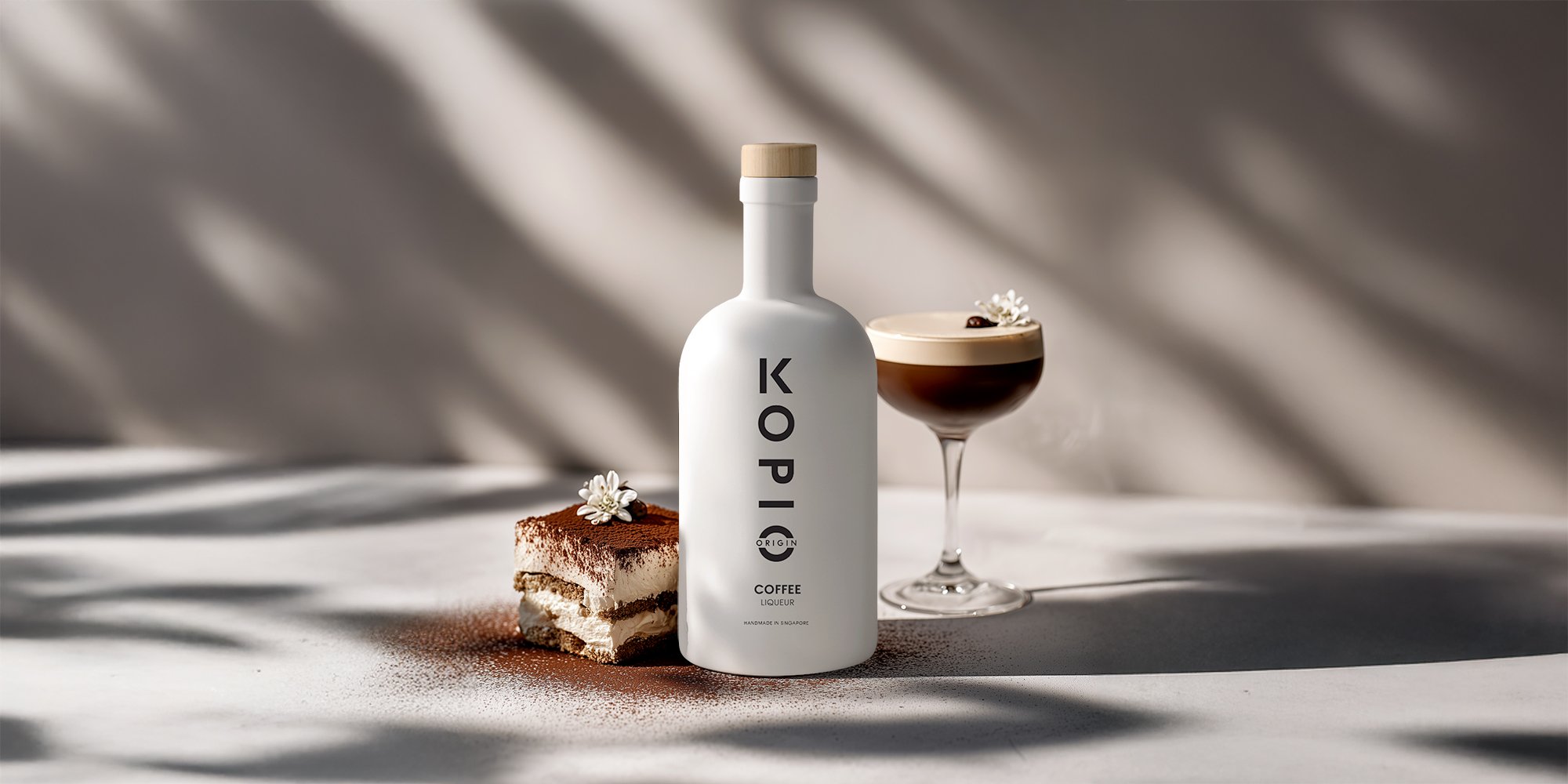
Most coffee liqueurs are designed with a single moment in mind. Some are built to be sipped neat after dinner. Others are engineered almost exclusively for one signature cocktail. A few lean heavily into dessert applications. The problem is that coffee, sugar, and alcohol behave very differently depending on context. What works beautifully in one use can fall apart in another.
Designing a coffee liqueur that performs consistently across cocktails, desserts, and neat pours requires more than flavour ambition. It requires restraint, foresight, and a clear understanding of how the liquid will be used in the real world. This is where process matters more than positioning.
KopiO was developed with this exact challenge in mind. Created by Studio Origin, it was never meant to be a single-purpose product. Instead, it was designed as a structurally balanced coffee liqueur that could move comfortably between bar service, kitchen use, and casual drinking. That philosophy is embedded in the work done at Studio Origin.
Versatility Starts With Structural Balance
A multi-use coffee liqueur must first be structurally sound. Coffee intensity, sweetness, alcohol strength, and mouthfeel all need to sit in a narrow, workable range. Push any one of these too far and versatility collapses.
Overly sweet liqueurs work in desserts but become cloying in cocktails. Highly bitter or intense liqueurs may stand up to mixing but fatigue the palate when sipped. Heavy textures feel luxurious neat but weigh down drinks that require lift.
KopiO’s structure is designed to avoid these traps. Its balance allows coffee flavour to remain present without dominating, enabling it to adapt naturally to different formats. This is why it appears consistently across the KopiO range presented through Origin Crafted.
Designing for Cocktails Without Overfitting
Cocktails are often the primary test for coffee liqueur, but designing only for cocktails is a mistake. A liqueur built too narrowly around one drink risks becoming inflexible elsewhere.
In cocktails like the Espresso Martini, coffee liqueur must integrate with fresh espresso and base spirits without crowding them. If extraction is too aggressive or sweetness too high, the drink becomes muddled. If too restrained, the coffee disappears.
A versatile design aims for supportive clarity rather than dominance. KopiO’s coffee profile is shaped to lift and round cocktails instead of defining them outright. This approach is explored in depth in the discussion of why the right coffee liqueur matters for the Espresso Martini, where balance determines whether the drink feels cohesive or chaotic.
Designing for Dairy and Cream-Based Drinks
Cream-based drinks are where poorly designed coffee liqueurs are most quickly exposed. Excess sweetness becomes oppressive. Heavy bitterness clashes with dairy. Thick textures turn cloying.
To work in this context, a coffee liqueur must carry flavour without relying on sugar or viscosity for impact. The coffee should remain clear, the sweetness measured, and the texture supportive rather than sticky.
KopiO’s ability to integrate smoothly with cream is one of its defining strengths. In classics like the White Russian, it provides coffee presence without overpowering the drink, allowing the cocktail to feel balanced rather than indulgent. This behaviour is clearly illustrated in the KopiO-focused White Russian.
Designing for Desserts Requires Restraint
Dessert applications demand a different kind of discipline. Sugar levels are already high, and bitterness can easily tip into harshness. A coffee liqueur used in desserts must contribute aroma and depth without dragging the dish toward heaviness.
This is where restraint in extraction and sweetness pays off. A liqueur that is already balanced can be incorporated without adjustment, enhancing the dish rather than dominating it.
KopiO’s performance in desserts highlights the advantage of designing for versatility from the outset. Its role in preparations like chocolate mousse shows how coffee flavour can remain expressive while staying in proportion, as explored in the look at KopiO chocolate mousse.
Designing for Neat Drinking Is About Finish
Neat drinking places the spotlight squarely on finish. Without mixers or modifiers, flaws have nowhere to hide. Over-extraction lingers unpleasantly. Excess sweetness clings. High alcohol sharpens edges.
A versatile coffee liqueur must finish cleanly enough to invite another sip while still delivering character. This requires careful control of bitterness, alcohol integration, and mouthfeel.
KopiO’s finish reflects this balance. Coffee flavour remains present but clears without fatigue, making it approachable neat while still functional elsewhere. This clean finish is a direct outcome of process decisions made early in production.
Why Professionals Value Multi-Use Design
For bars and hospitality teams, versatility is not a luxury—it is efficiency. A coffee liqueur that works across cocktails, desserts, and after-dinner service simplifies inventory and reduces compromise.
Professionals value products that behave predictably across contexts. This is why KopiO is positioned for professional use, where reliability and adaptability matter as much as flavour. Its alignment with trade needs is reflected in Origin Crafted’s trade and retail focus.
Designing for Real-World Use
True versatility is not achieved by neutrality. It is achieved by balance. A coffee liqueur designed to work across multiple uses must be confident enough to show character and restrained enough to step back when needed.
KopiO demonstrates that multi-use design is a deliberate choice, not an accident. By prioritising structure, restraint, and real-world performance, it avoids being locked into a single role.
Choosing a Coffee Liqueur That Adapts
A well-designed coffee liqueur should not force the user to adapt to it. It should adapt to the user. When coffee flavour is balanced, sweetness controlled, and texture composed, the liquid becomes flexible rather than fragile.
For those evaluating coffee liqueurs beyond a single use case, versatility is one of the clearest signals of thoughtful design. KopiO shows how careful decisions at every stage of production can create a coffee liqueur that feels at home wherever it is poured.